Service History
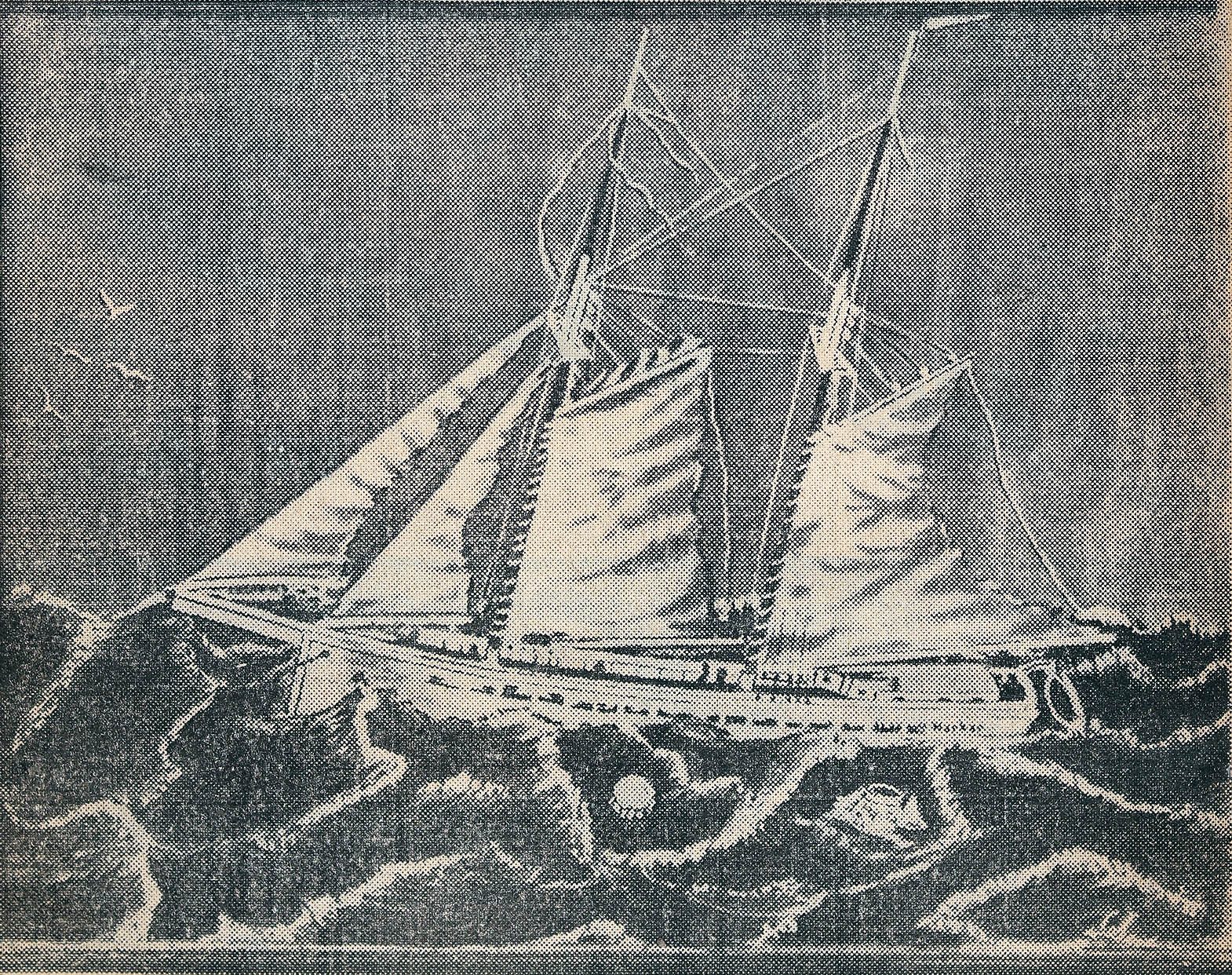
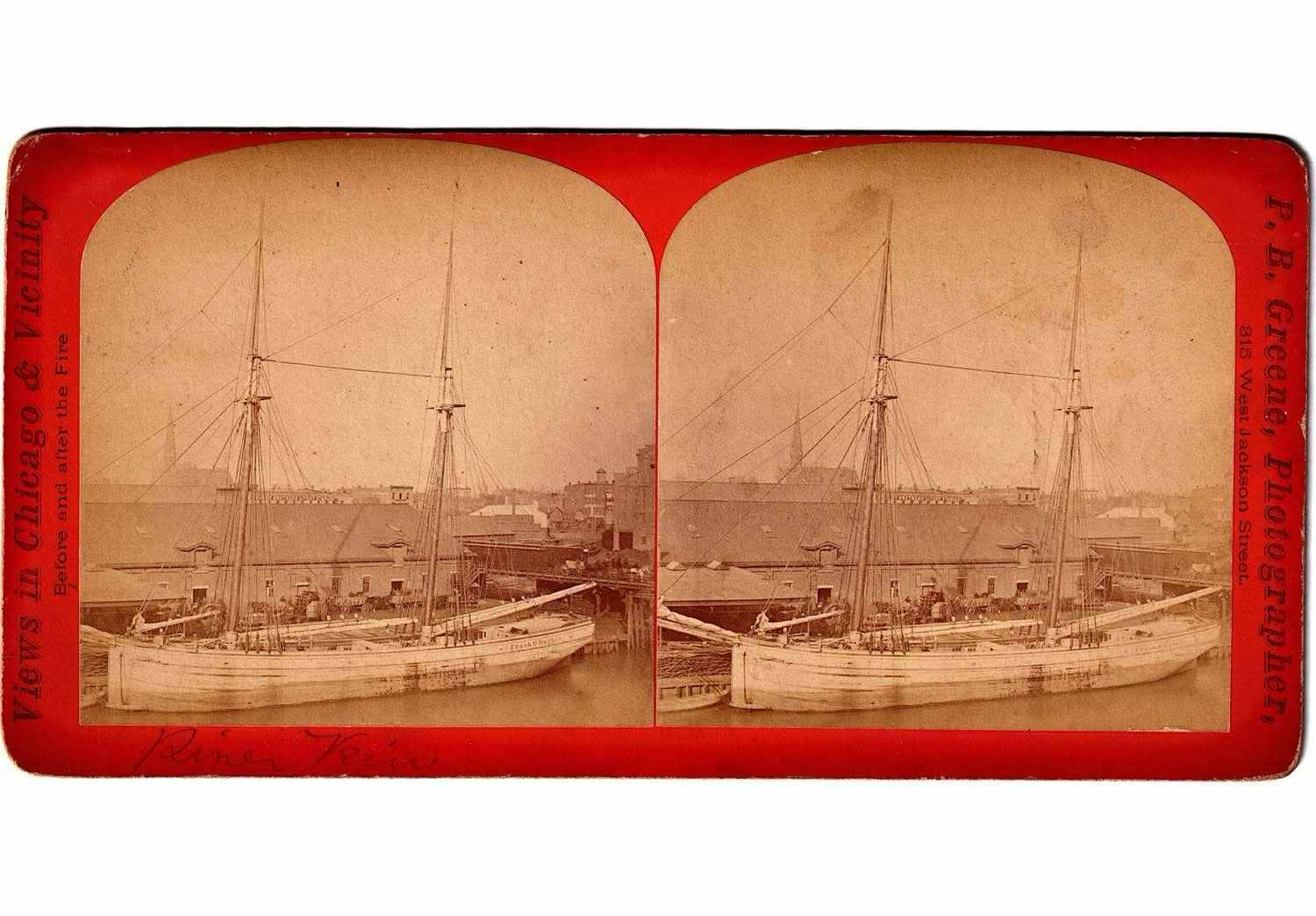
Built by John Cantwell in 1867 for merchant A.F. Barker, extreme canaller
Frank D. Barker was after A.F. Barker's third child Frank D. Barker. The
Frank D. Barker participated in the Great Lakes grain trade, as well as shipping iron, coal, foodstuffs, crops, and lumber throughout the period of its use. The vessel often traveled between Chicago and Oswego, making heavy use of the Welland Canal to access almost all of the Great Lakes frequently. An extreme canaller is the largest class of ship capable of passing through the Welland Canal. The vessel sailed its first few years without incident until November 28, 1870, when the schooner
Governor collided with the
Frank D. Barker. The
Frank D. Barker suffered only minor damage, however. The ship lost its head gear while being towed when it was swung into the schooner
Cornelia Amsden on the night of June 8, 1871. On October 13, 1873, the ship went ashore during a gale east of the piers at Port Colborne, Ontario, near the Welland Canal; a large portion of its wheat cargo sustained water damage. This accident and others in 1873 led to the
Frank D. Barker's insurance rating dropping in 1874. During the 1875 season,
Frank D. Barker was forced to wait in Chicago for two weeks in June due to a worker's strike. One of the vessel's centerboards were removed in 1878 at the Wolf & Davidson shipyard at Milwaukee and remaining centerboard was enlarged. On September 12, 1879, the Canadian tug
Wales collided with
Frank D. Barker, doing nominal damage. The tug's captain refused to pay for the damages done to the canaller, leading to the owners of
Frank D. Barker to libel for damages. The ship was trapped in Chicago again on April 24, 1880, when the current of the Chicago River caused the vessel to lose control and was jammed into the Wells Street Bridge. On September 11, 1886 the schooner
Niagara, through some mismanagement, sailed under the bow of the
Frank D. Barker and had its mainsail speared by the canaller's jibboom, carrying away the
Niagara's mainboom and mainsail.
Final Voyage
On September 30, 1887, the
Frank D. Barker was sailing empty bound from Manistee for Escanaba when the captain misjudged the entrance to Deaths Door Passage due to dense fog. Without cargo, the ship ran high on a reef of flat rocks east of Spider Island. The tug
Jesse Spalding came to the canaller's aid but was unable to move the ship and left on October 4. The tug returned to the wreck on October 21, joined by the tugs
George Nelson and
John Evenson, but conditions were too rough to rescue the
Frank D. Barker. Despite the vessel's reportedly good condition, the canaller was abandoned to the elements.
A year later discussion began again on recovering the
Frank D. Barker. The
George Nelson returned to the site with Sturgeon Bay's John Leathem, Charles Scofield, Samuel Leathem, and John Murray. After inspection, the ship was purchased by Leathem & Smith and became the next project of the company. Despite bringing a full recovery outfit, the patched vessel simply would not stop taking water, and unfavorable conditions only led to the
Frank D. Barker becoming increasingly stuck in the reef. The recovery expedition was shut down on October 25, 1888. Shortly after a gale tore the ship to pieces, and it was permanently abandoned.
Today
Over recent years the
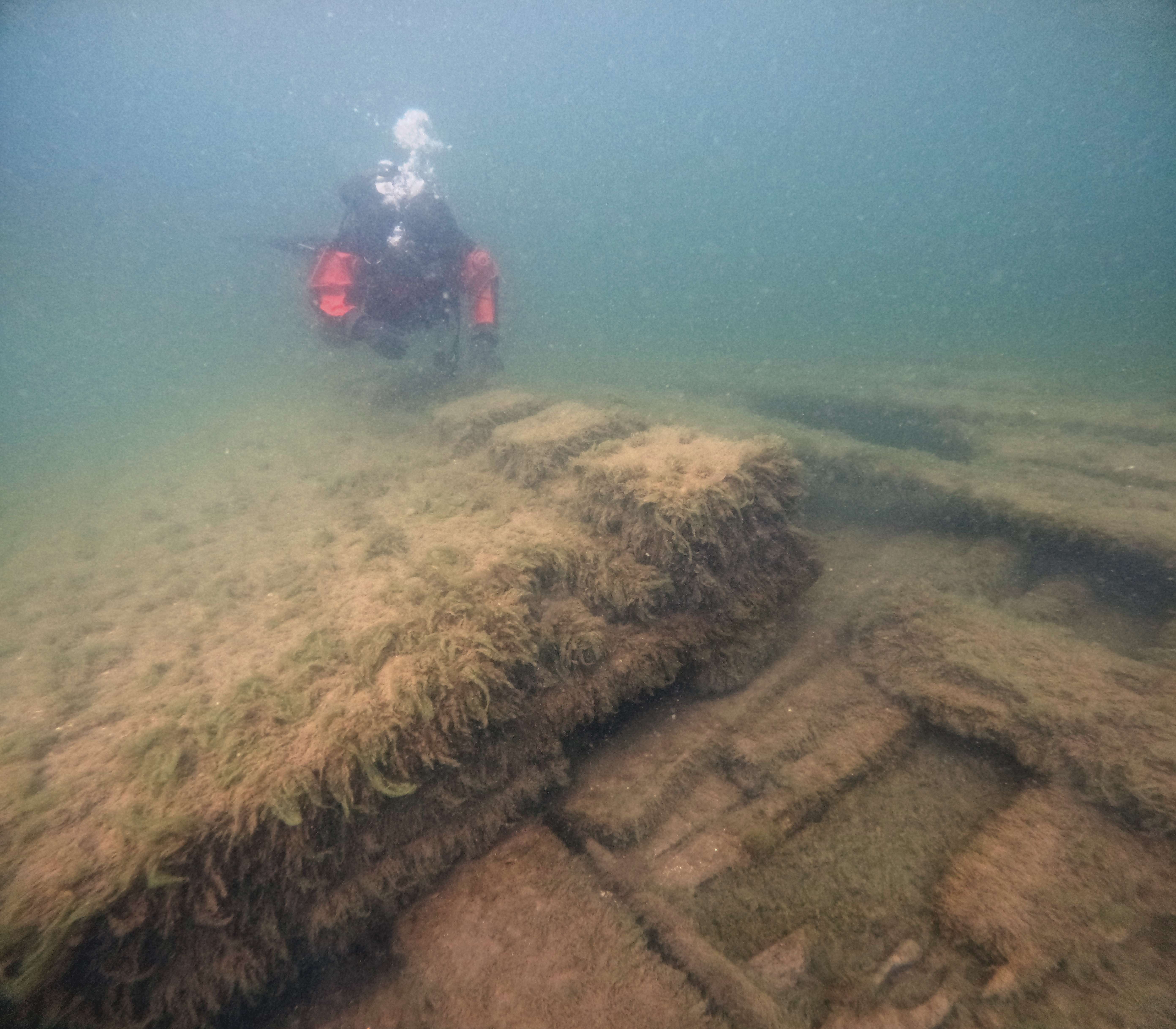
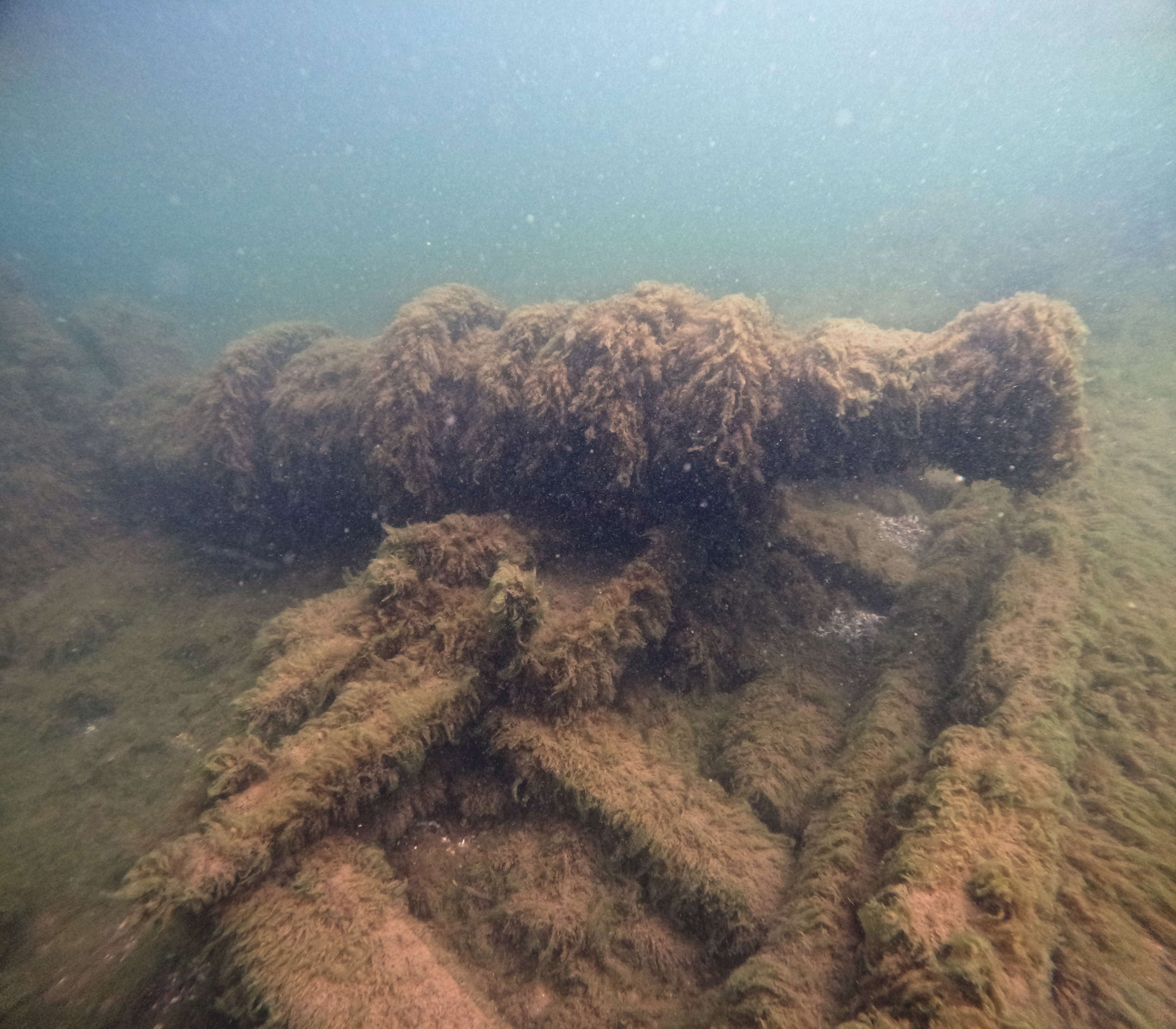
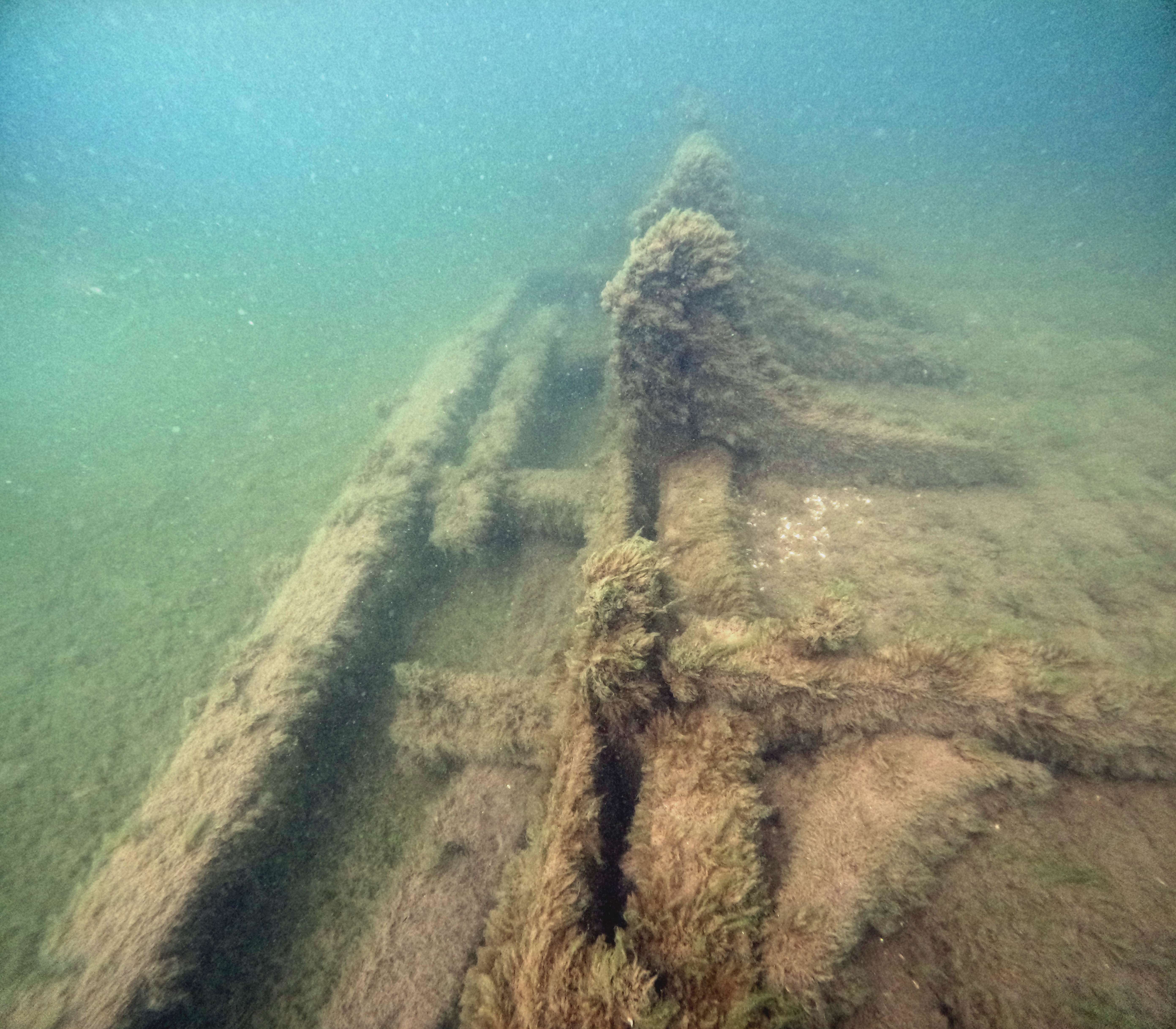
Frank D. Barker has been the subject of several unsuccessful search efforts until on July 29, 2025. Captain Matt Olson of Door County Adventure Rafting located the wreck while looking at the Door County Land Information Resources GIS website in an area south of Spider Island. Olson snorkeled the site with his six-year-old son, taking photos of the wreckage before notifying Wisconsin Historical Society. Archaeologists and volunteers documented and surveyed the shipwreck in August 2025.

 Confirmed Location
 Unconfirmed location