Margaret A. Muir (1872)
Gallery
img
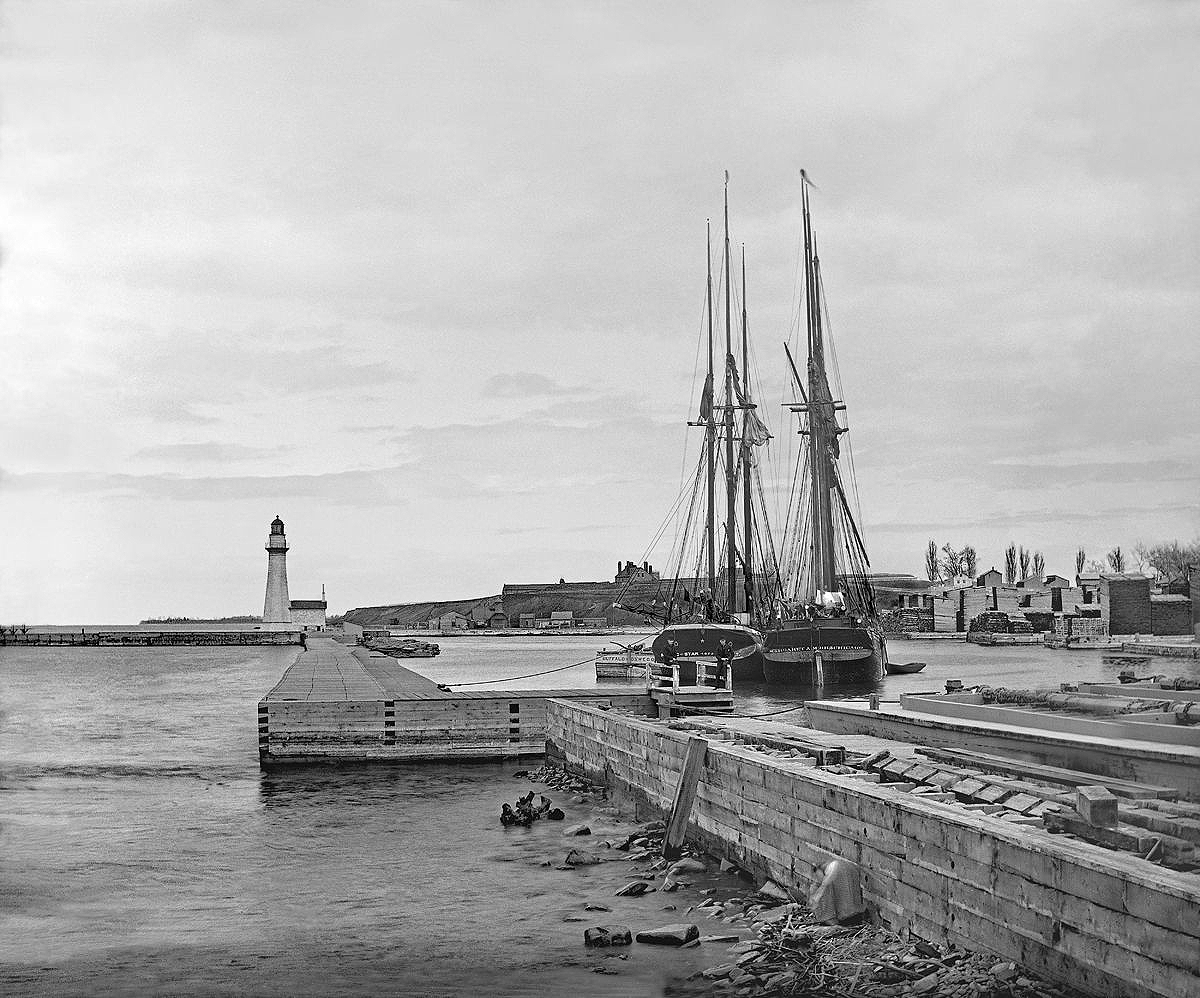
Historic Image of the Margaret Muir docked with the schooner Mystic Star in Oswego, New York.
img
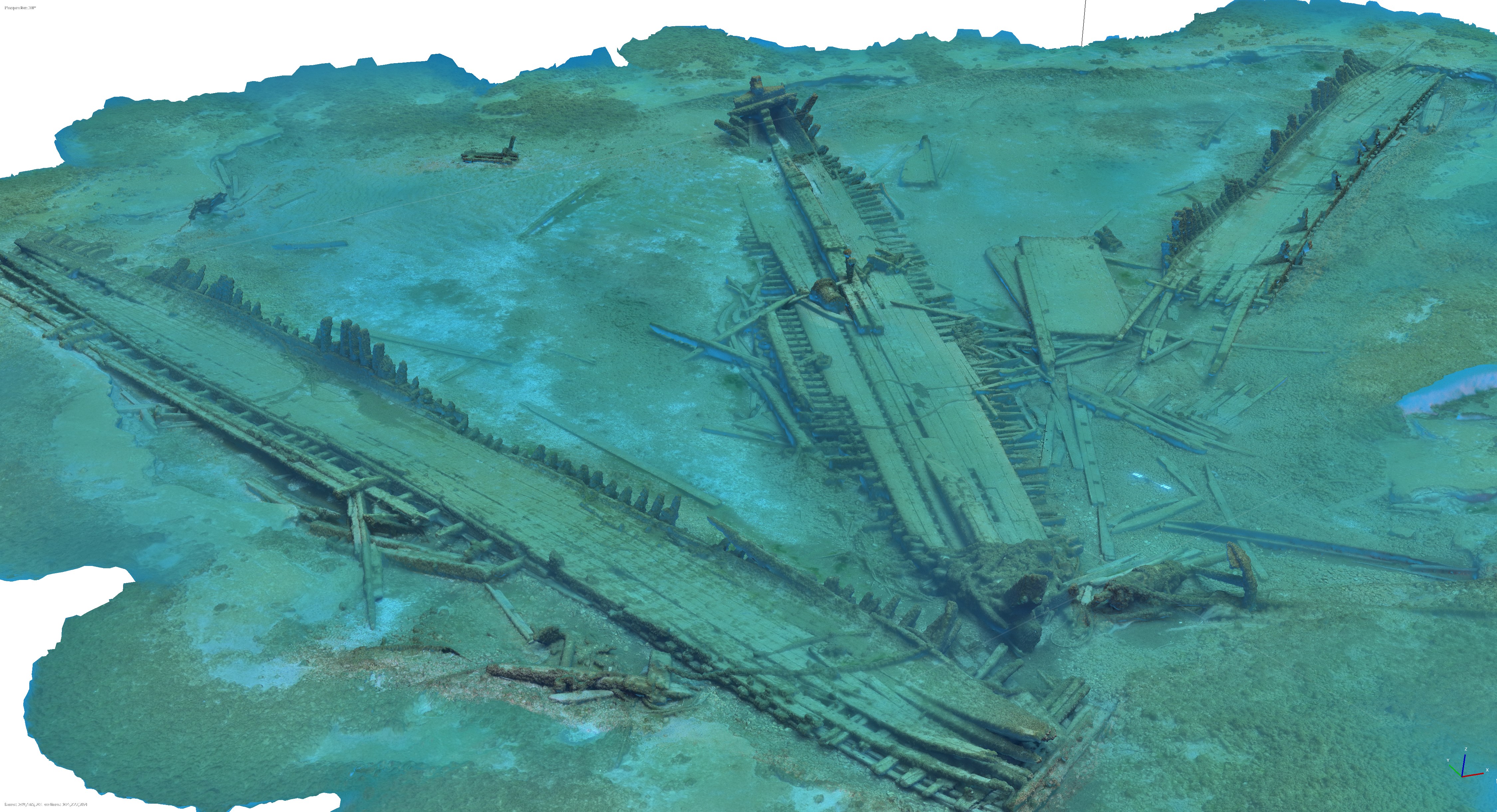
Photogrammetry Model of the Margaret A. Muir.
img
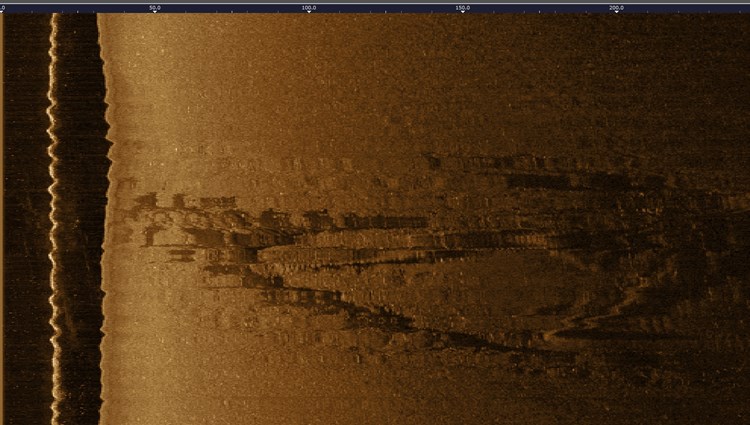
Sonar Image of the Margaret A. Muir
img
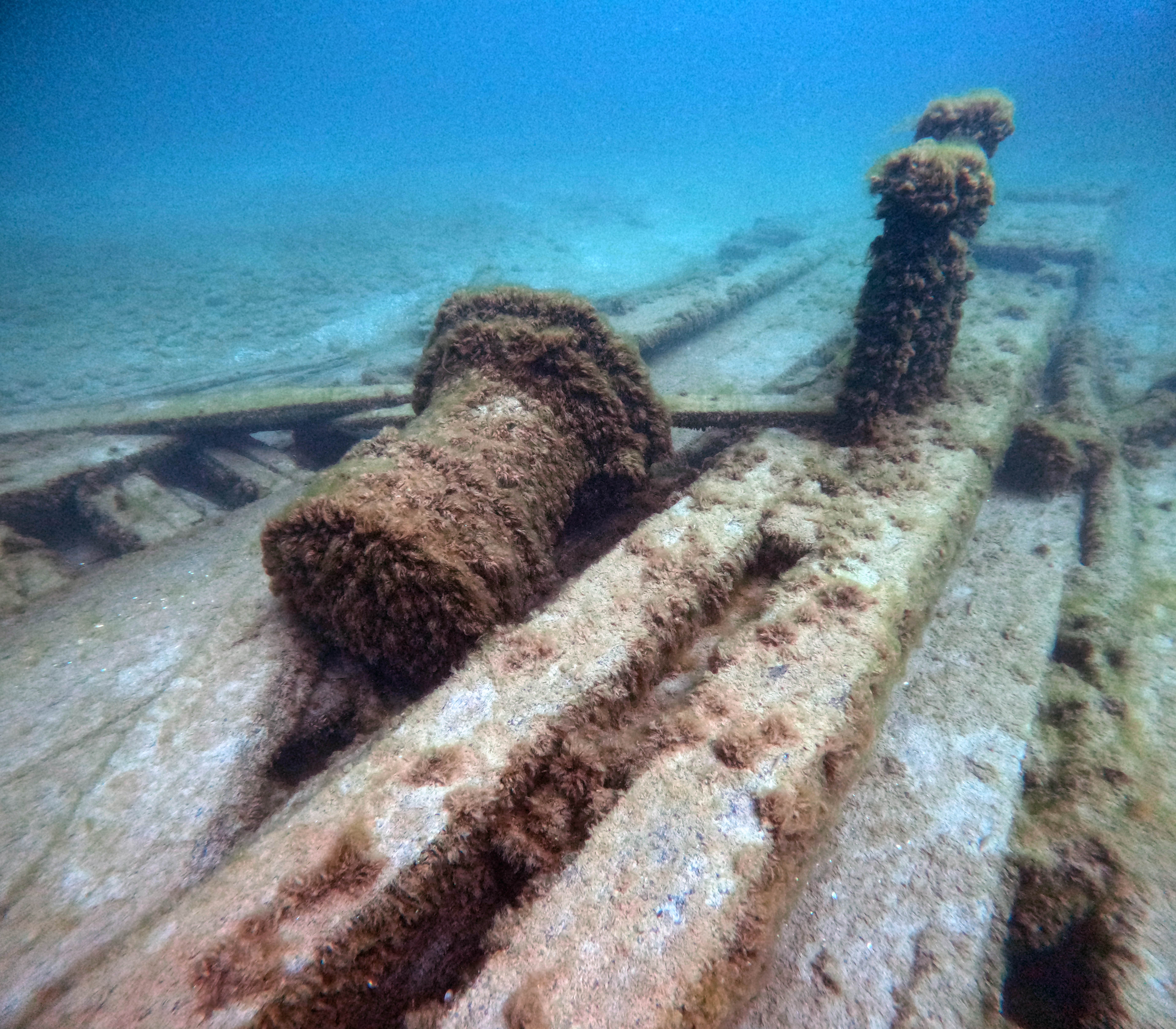
Capstan of the Margaret A. Muir.
img
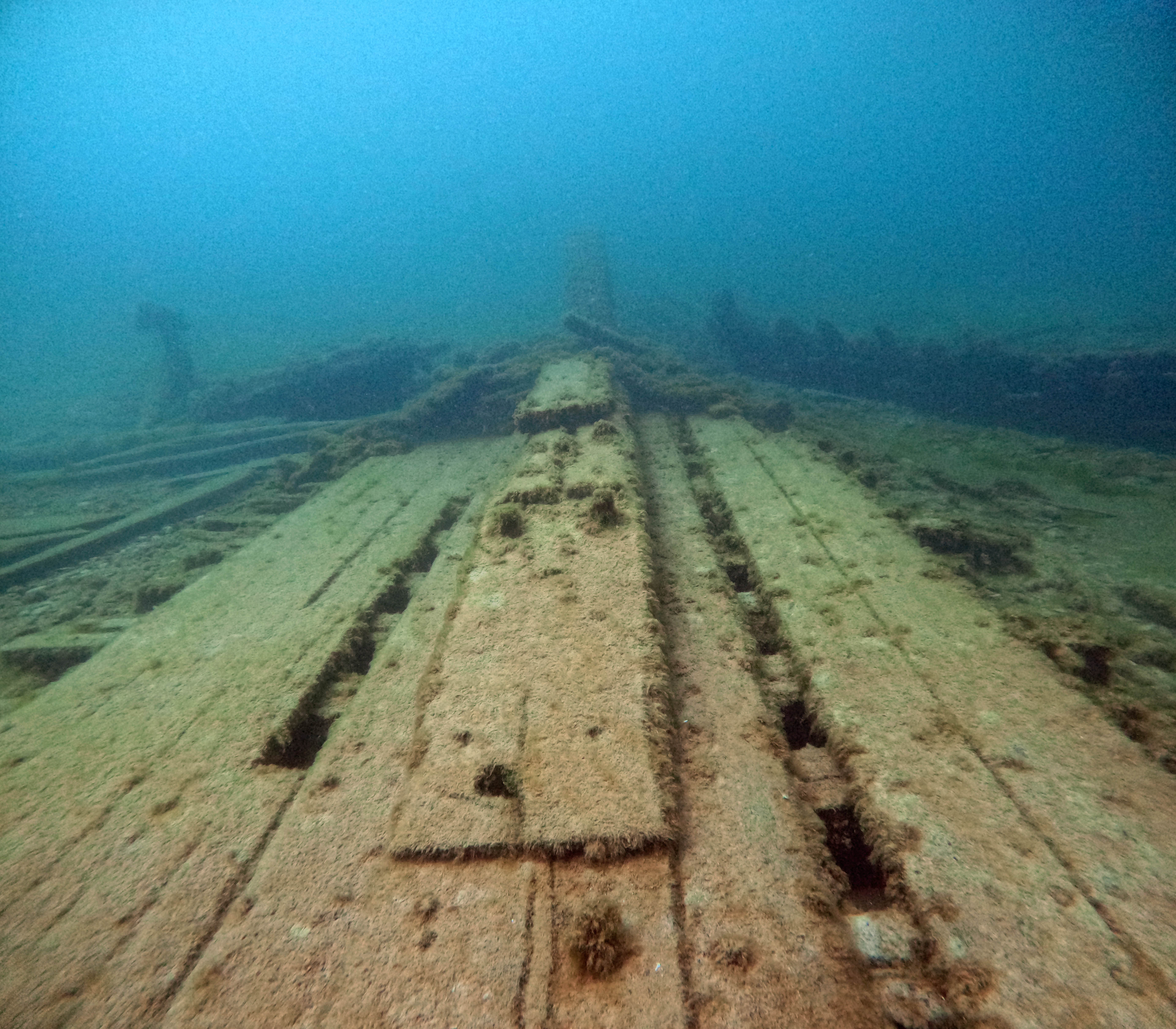
Deck of the Margaret A. Muir.
img
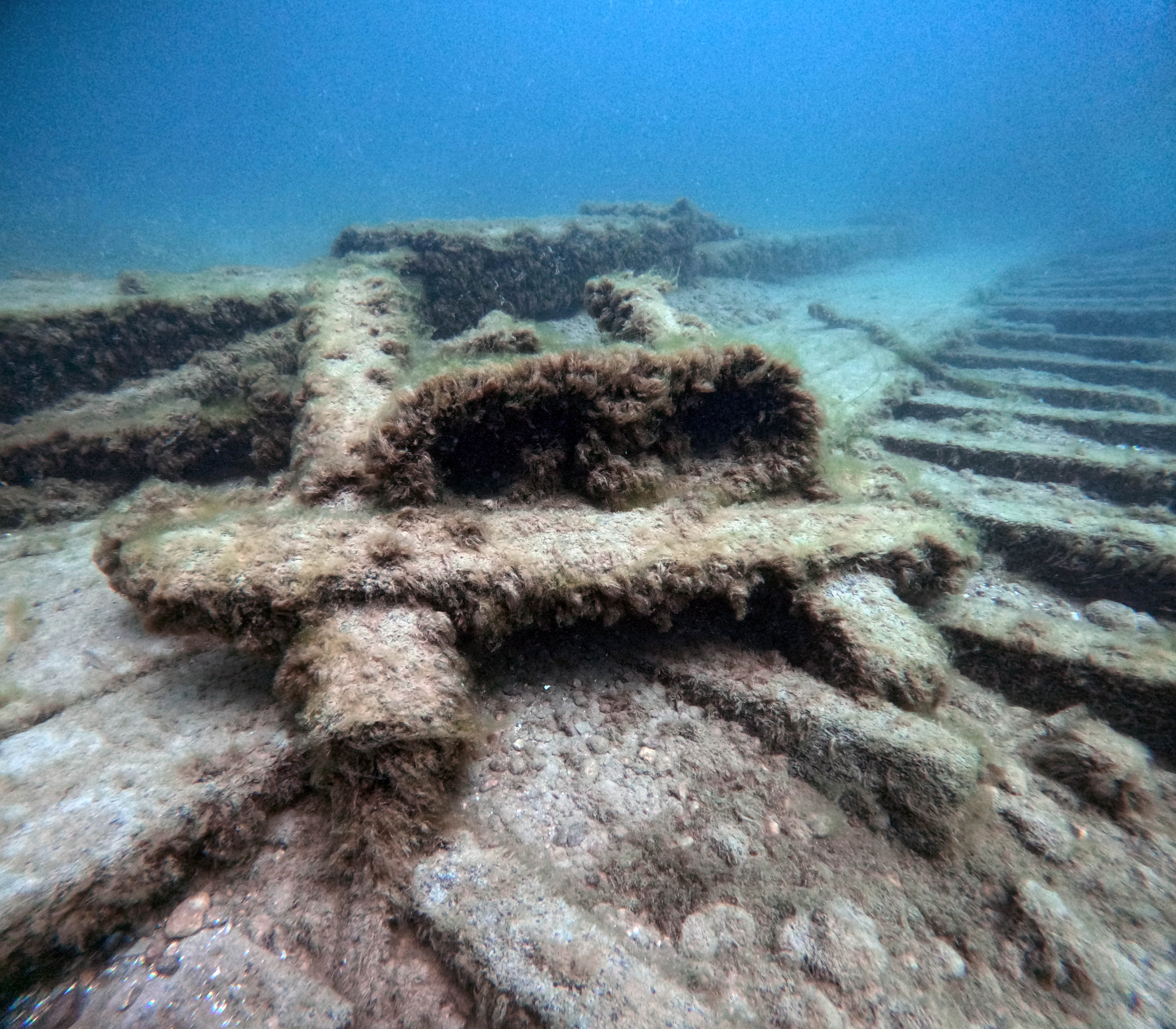
Windlass of the Margaret A. Muir.
img
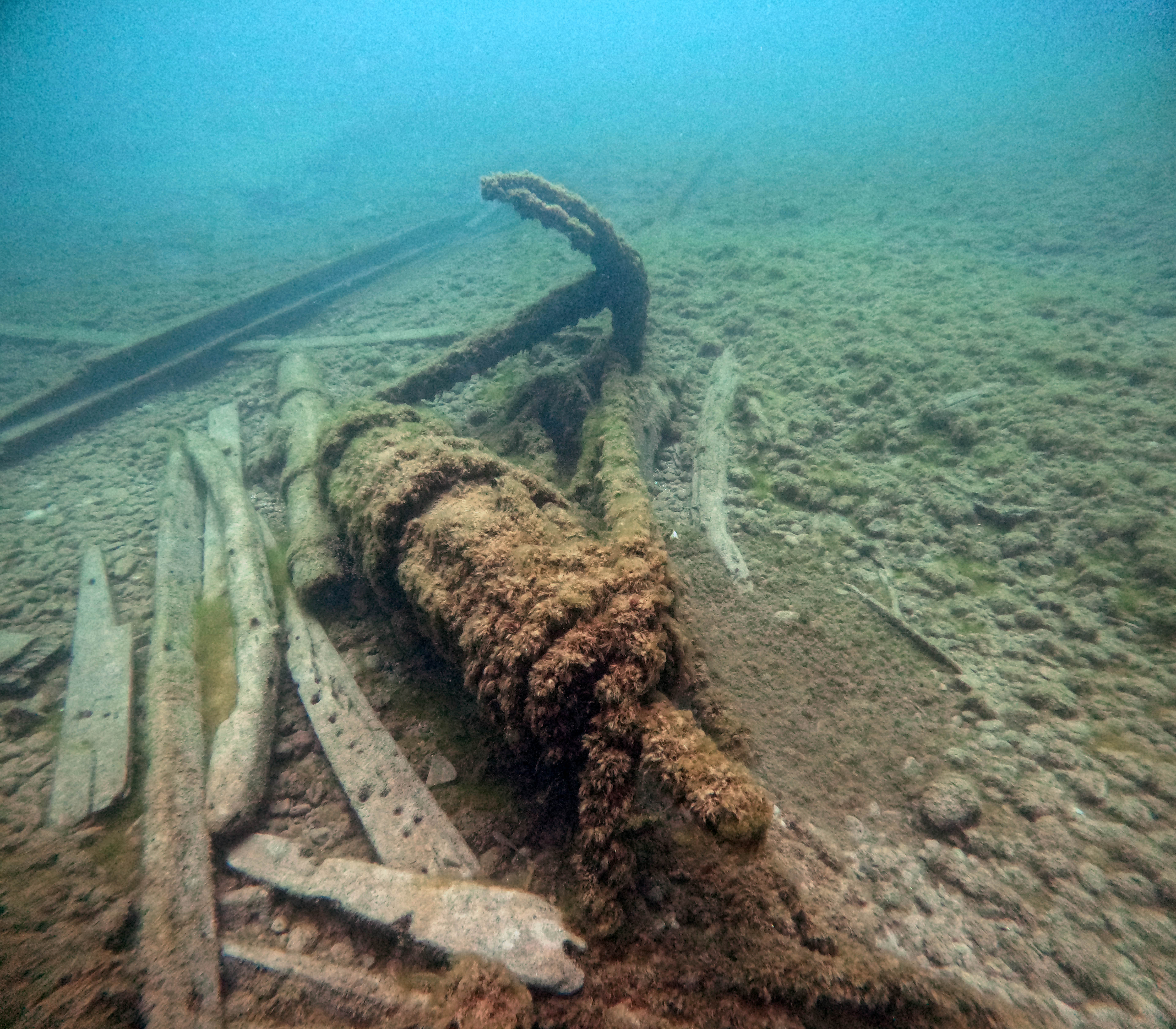
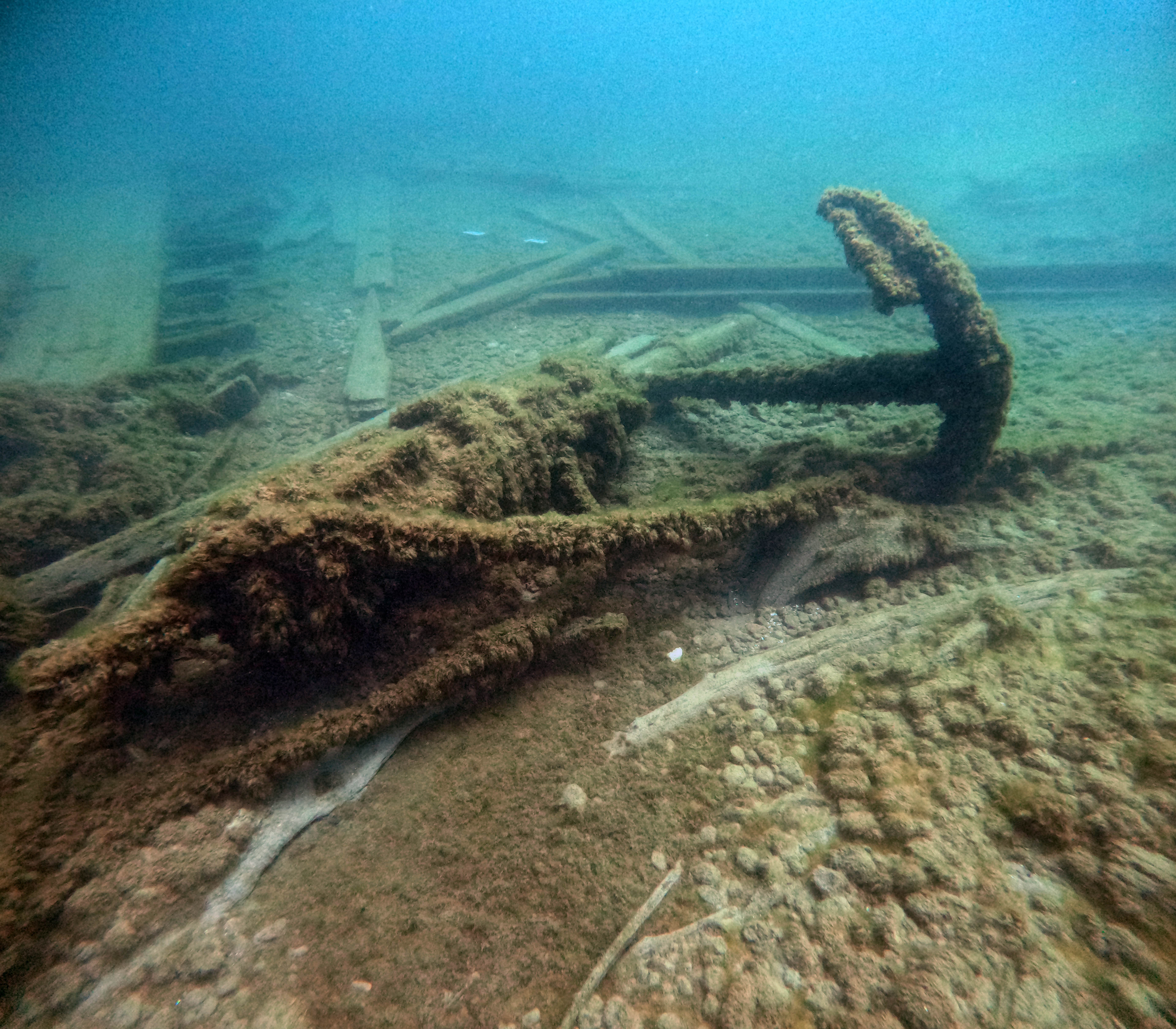
Windlass with Anchor still attached.
img
Deck of the Margaret A. Muir
img
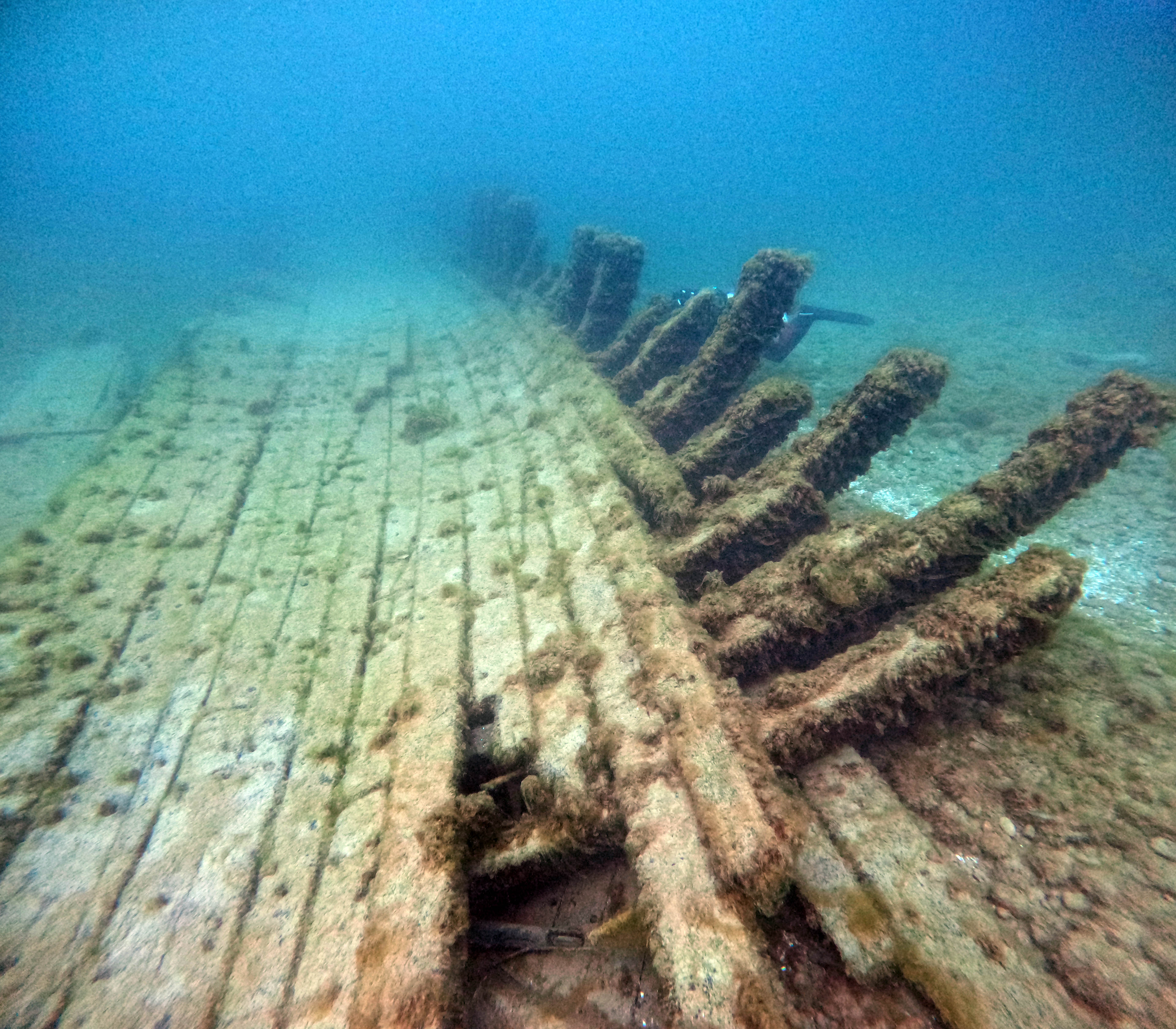
Another view of the Muir's port side ceiling planking and frames.
img
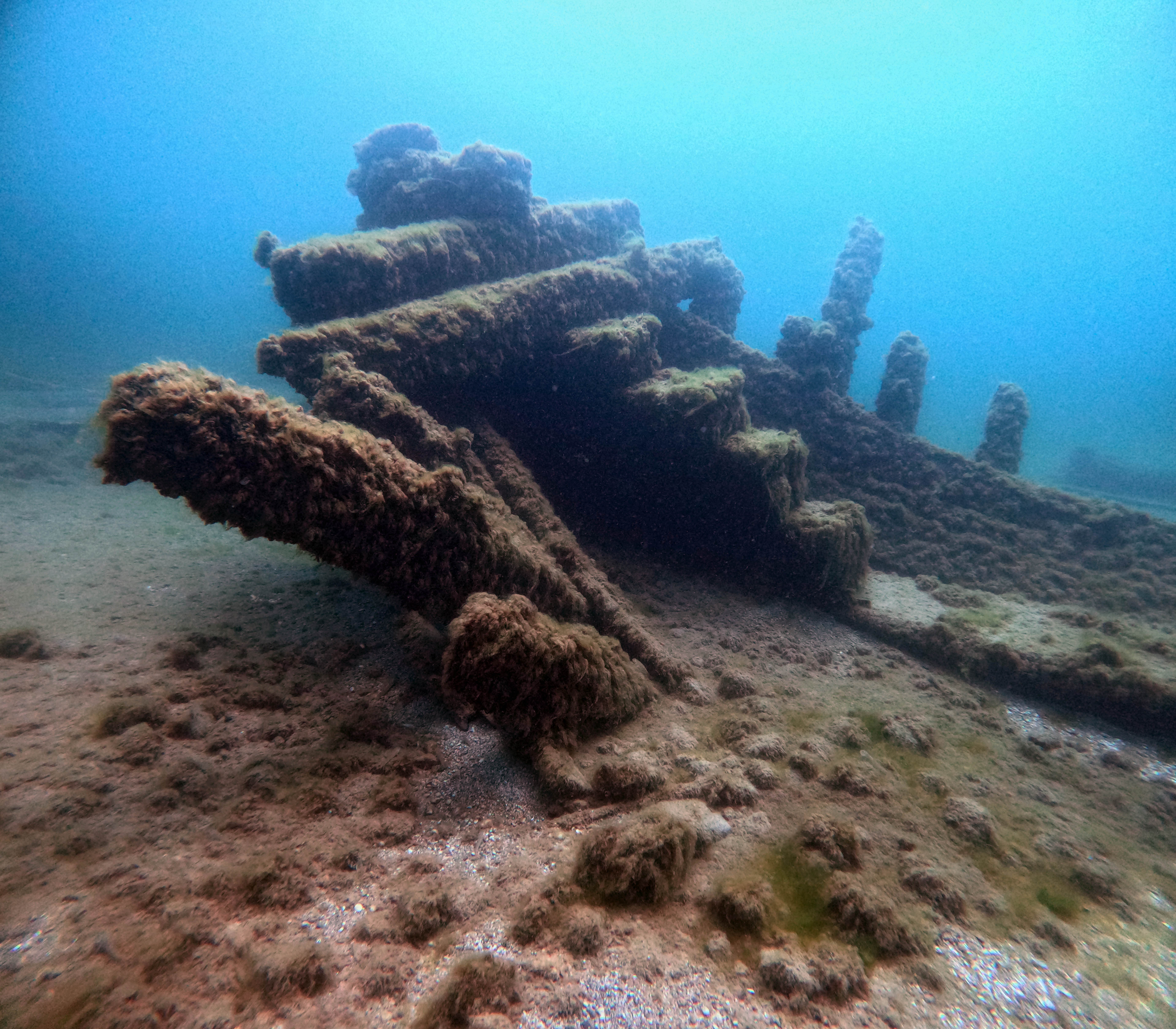
The unusual stepped stern arrangement of the Margaret A. Muir
img
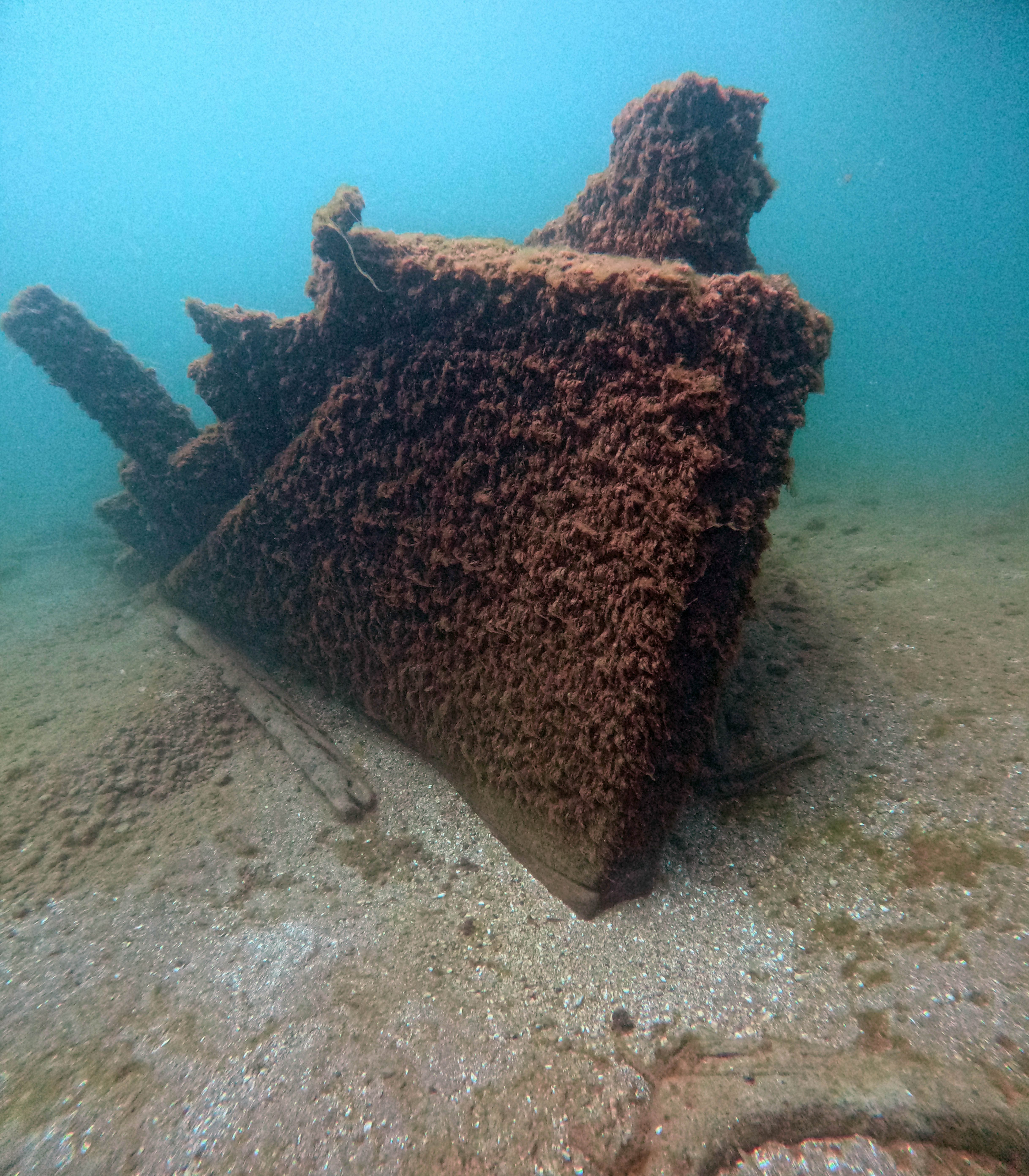
Another view of the Muir's Stern.
img
Muir's starboard ceiling planking and frames.
img
The Margaret Muir's Bell.
By The Numbers
0
Built
0
Sank
0
Lives Lost
0
Depth (ft)
 
 
Service History

The schooner Margaret A. Muir was built by Hans M. Scove in 1872 for Captain David Muir of Chicago, who named the vessel after his oldest daughter. A few days after its launch on November 7, 1872, Margaret A. Muir was struck by schooner J. & A. Stronach, carrying away its bowsprit (the spar extending from a vessel's bow). The Margaret A. Muir primarily shipped cargoes including coal, gypsum, lumber, foodstuffs, and crops. In May, 1880, Captain Muir sailed onto Lake Michigan with cargo from the Union Iron Company believing a storm had cleared when a sudden lull in the wind caused the booms and gaffs to swing violently, snapping the foremast and mainmast. The Margaret A. Muir drifted until 3:00 AM when the schooner was towed by steambarge R.J. Hackett to Port Huron. The iron ore being shipped at the time was refused due to a drop in price between the time of the contract and the delivery, leading to Muir suing the Union Iron Company for losses.

Captain Muir often had conflicts with unions after the incident, leading to the Margaret A. Muir being caught between the two. On July 12, 1883, two crew members filed a complaint against Muir after he reduced their pay to cover medicine costs. Further, on September 18, a group of unionized sailors stormed the ship, driving the non-union crew off the vessel and forcing the schooner to remain in port at Chicago. This happened once again before the vessel was able to get away. It was subsequently damaged in a three-ship collision and forced to remain at Chicago for repairs. On September 8, 1886, a conflict occurred between union stevedores and Muir. The union men increased pay in 5-cent increments (per 1,000 feet of lumber) as they unloaded lumber. Muir, being anxious to unload, conceded three times before the men walked off after the fourth attempt. Muir hired non-union men until 1891 because he was unable to find a crew, he was forced to apply at the Seamen's Union in Cleveland. That same union staged an attack on the ship in an attempt to remove non-union members in late August. Unionized crews at Point Edward, Ontario, cut the Margaret A. Muir's lines on July 14, 1892.
Final Voyage

While sailing with 650 tons of salt on Lake Michigan, Margaret A. Muir was functioning well throughout the night of September 29, 1893. However, on the morning of September 30, about three miles off Ahnapee, Wisconsin, the ship fell into a trough of the sea and a ginormous wave washed over the deck. The captain and his sailors were able to escape on a yawl just as the schooner keeled over and sank. The seven men made their way to the beach. Following the loss, Captain David Clow announced his retirement as the Margaret A. Muir was his third ship lost in three years' time. The vessel's masts were left standing and posed a hazard to navigation. The ship was dynamited on July 15, 1894 flatten the obstruction.
Today

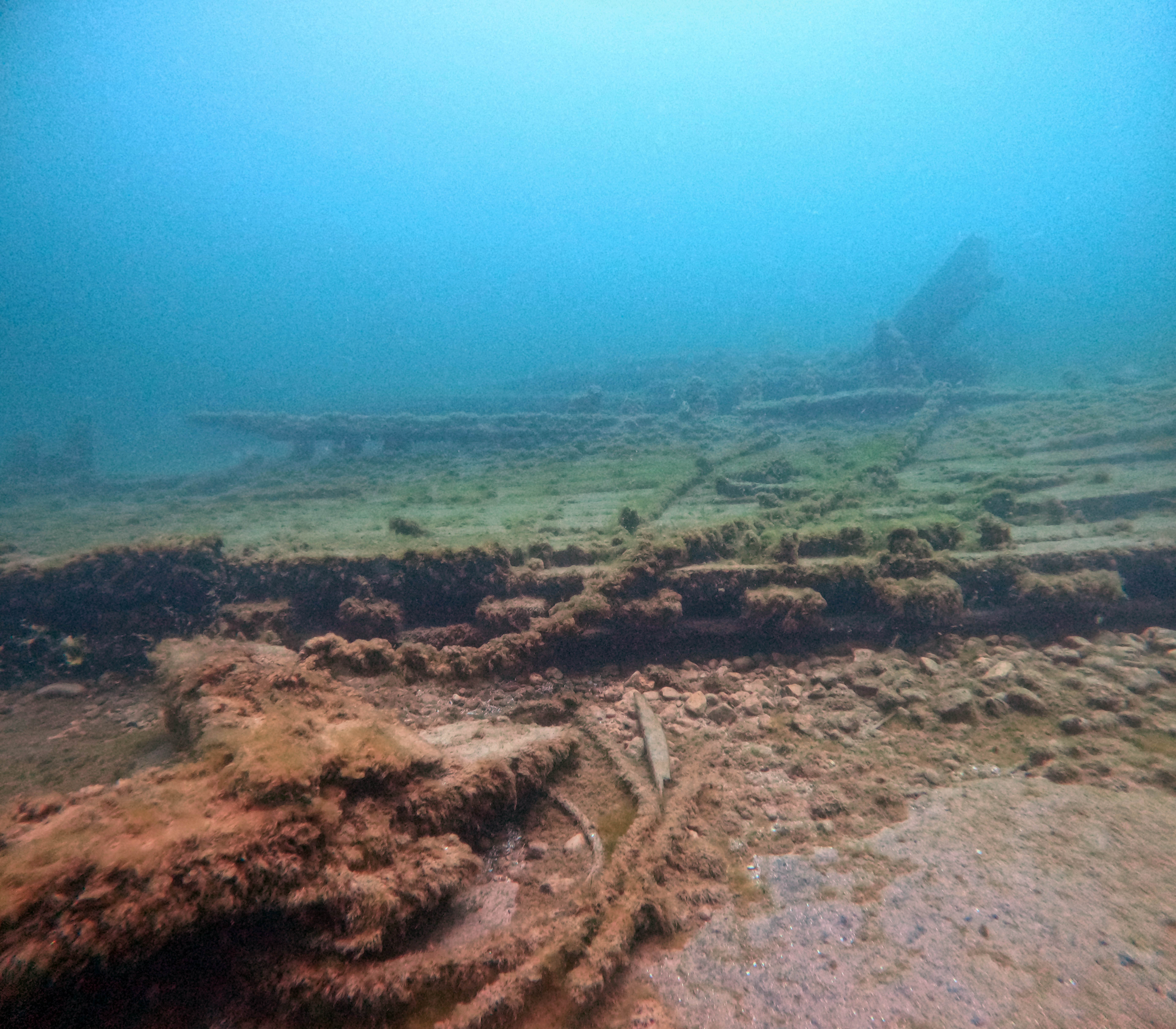
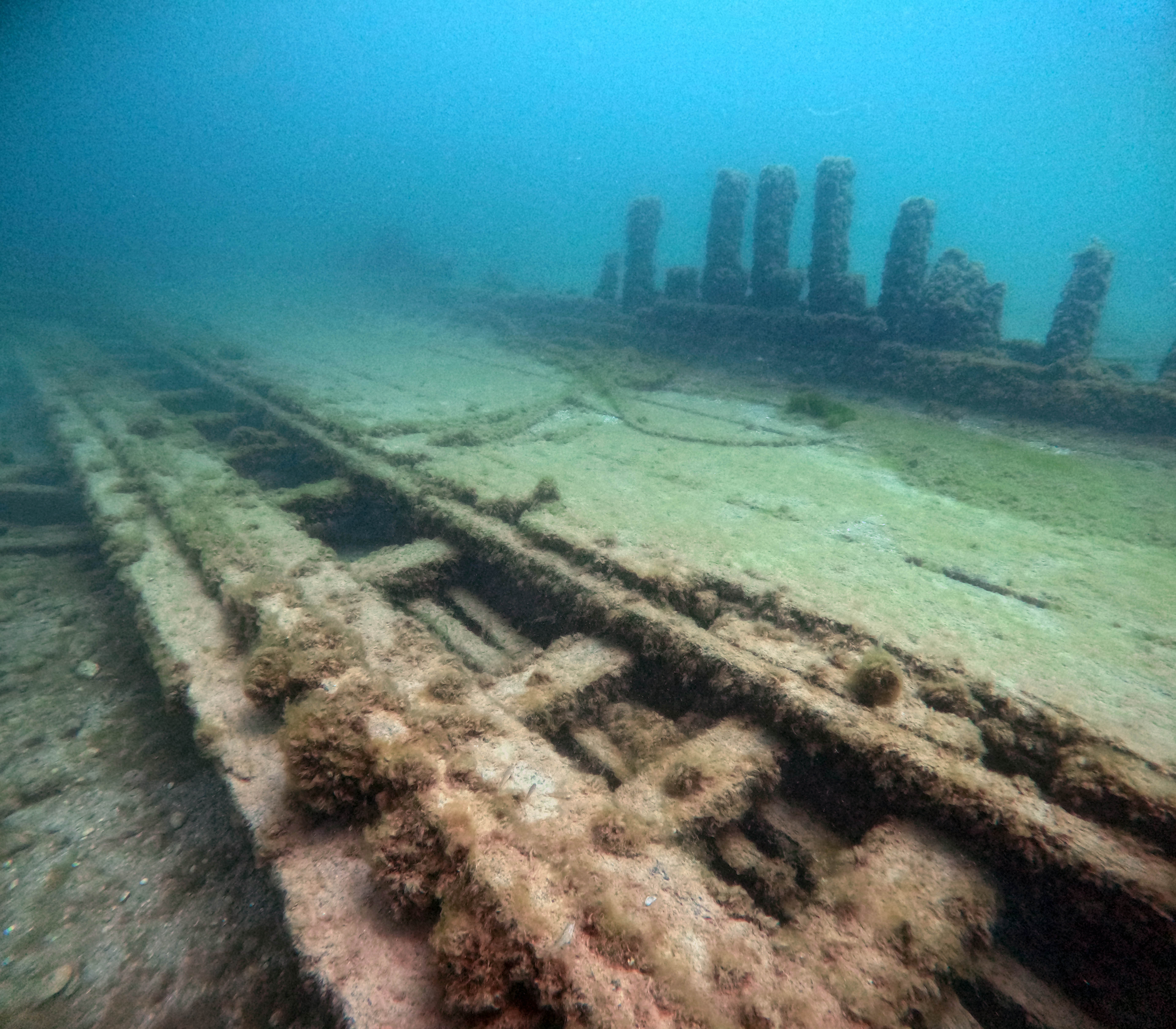
In May, 2024, the shipwreck was located by Wisconsin Underwater Archaeology Association in a deliberate search. It was subsequently investigated by the Wisconsin Historical Society maritime archaeologists and volunteers in May and July, 2024. The wreck of the Margaret A. Muir lies broken under 57 feet of water only a few miles outside the entrance to Algoma harbor. Most of Margaret A. Muir's hull components and deck machinery are present. The ship is broken open in such a way that one can see the interior components of the vessel.
© 2026 - Wisconsin Sea Grant, Wisconsin Historical Society