
Robert C. Pringle (1903)
Gallery
img
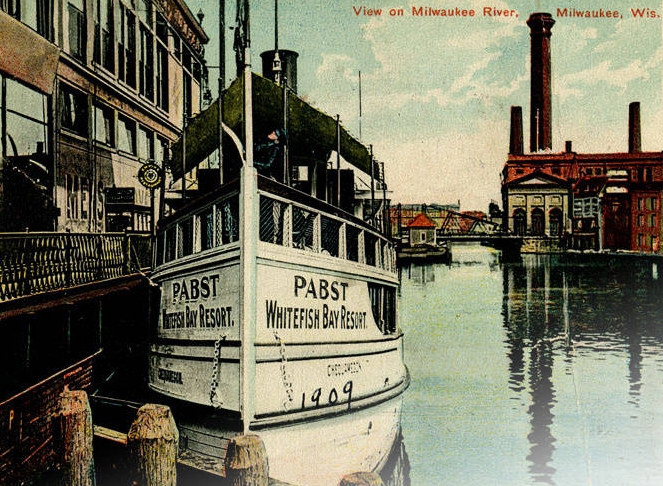
Post card of the Chequamegon as an excursion steamer for the Pabst Resort, circa 1909
img
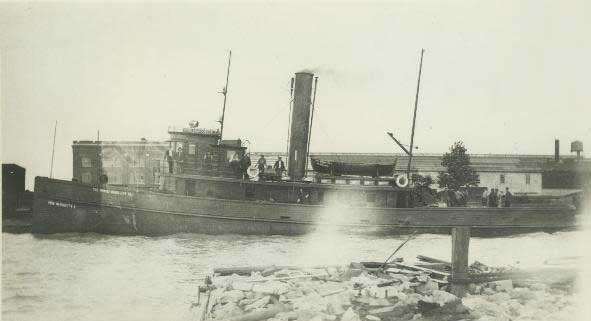
Historic image of the Pere Marquette 7 converted to a tug for the Pringle Barge Line, circa 1920
img
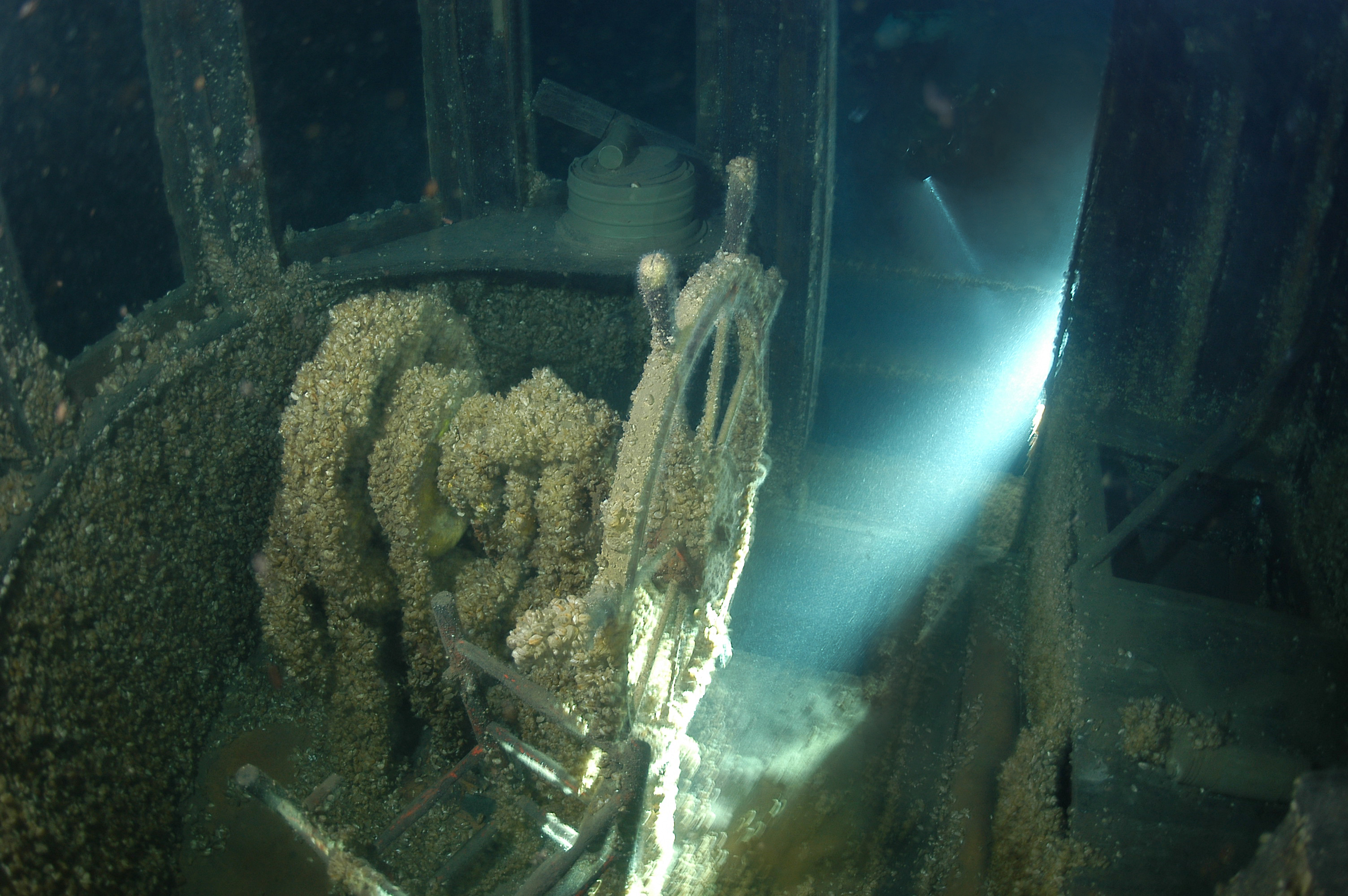
Image of the ships wheel located inside the pilot house
img
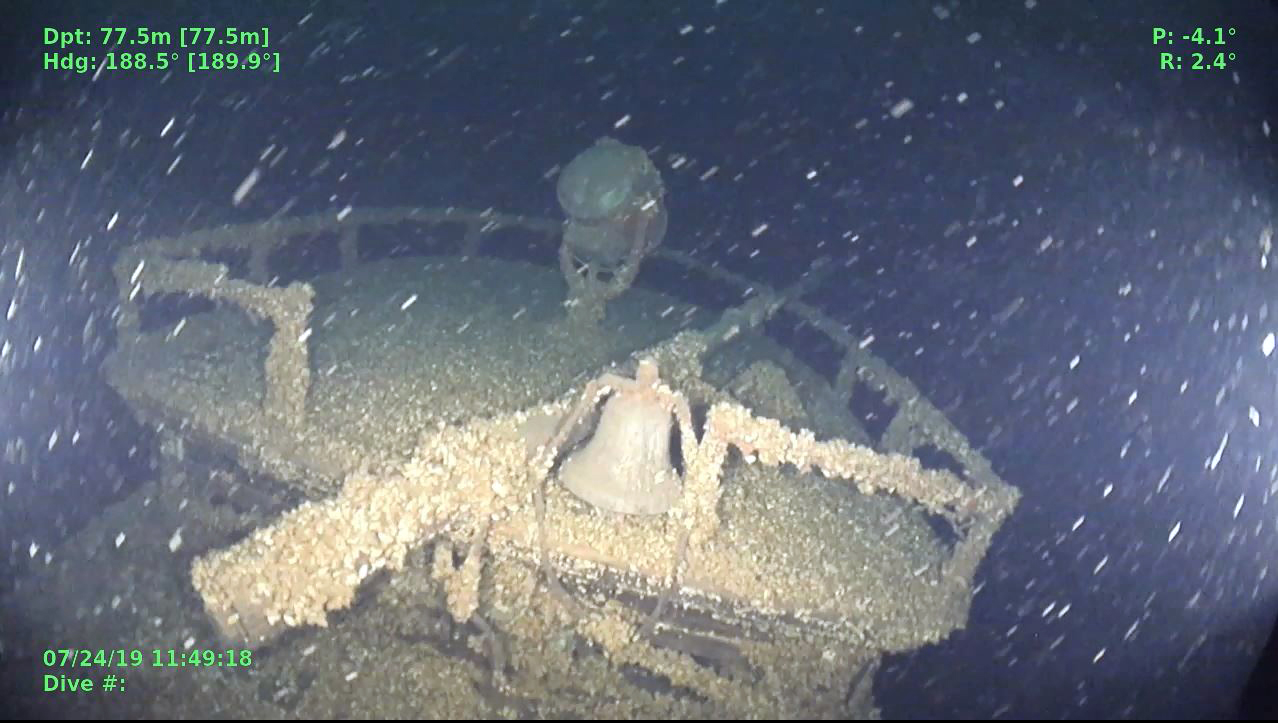
Rov image of the vessel's bell and search light located atop the pilot house
img
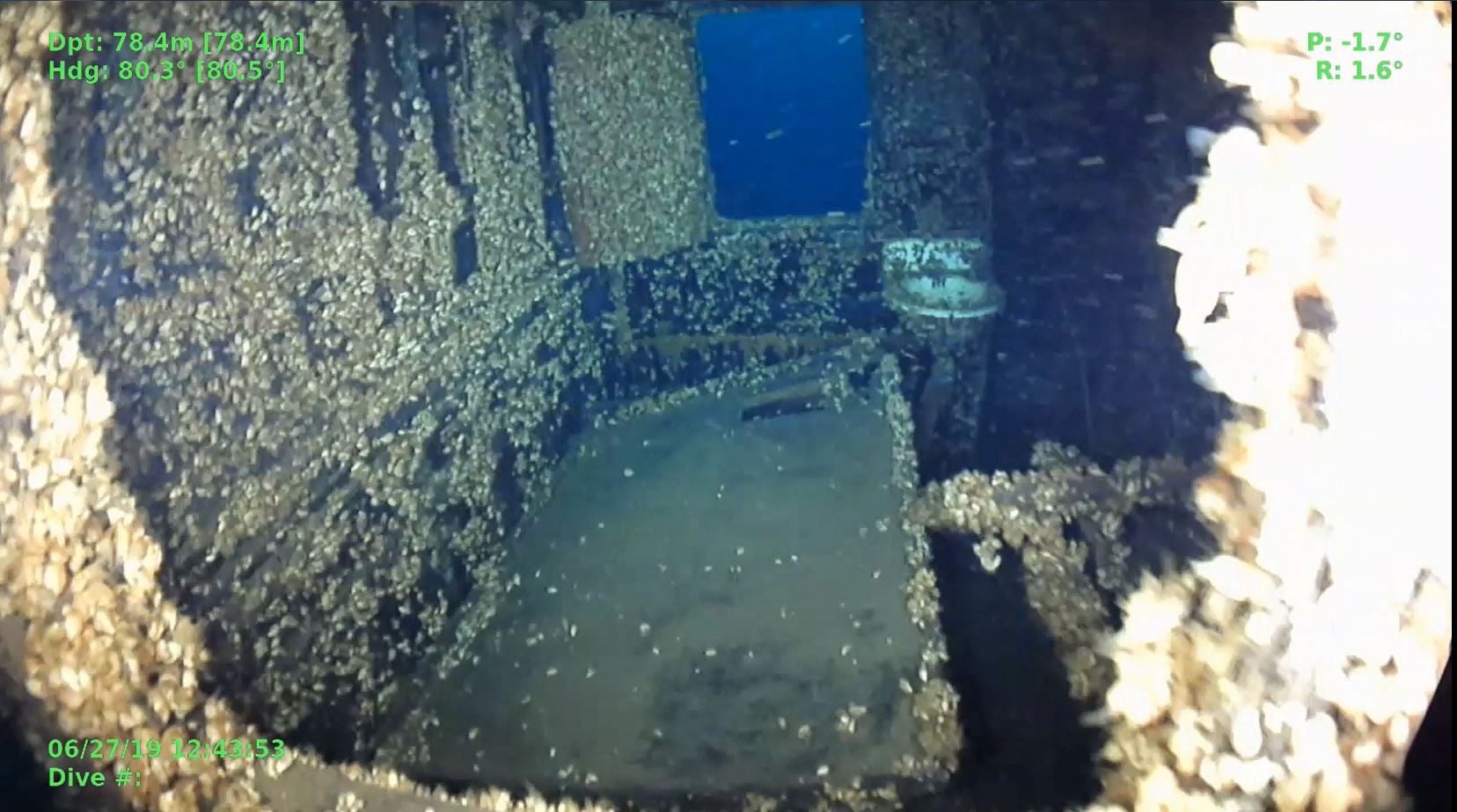
ROV image of the inside of the captain's cabin
img
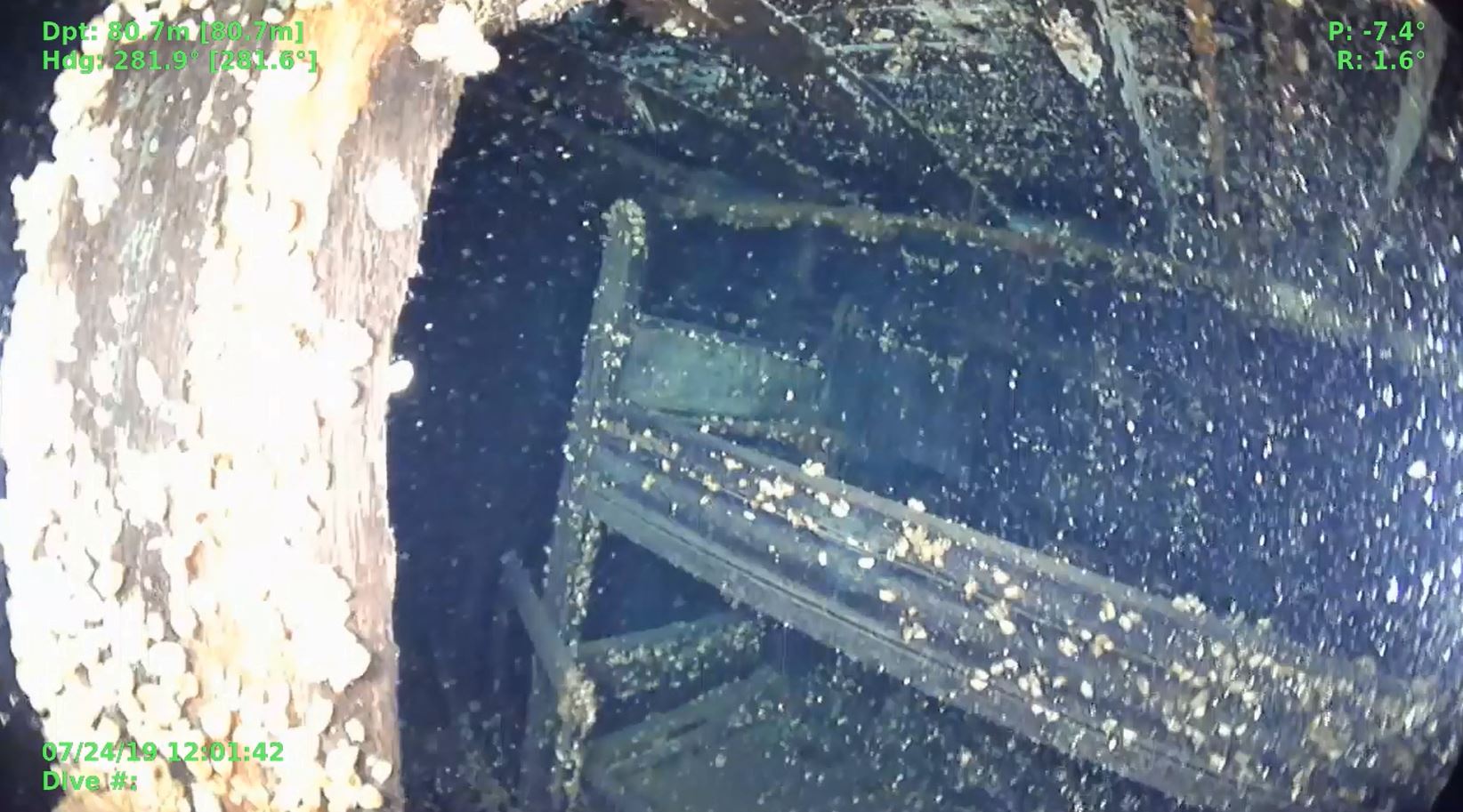
ROV image of some bunks within the crew's quarters
img
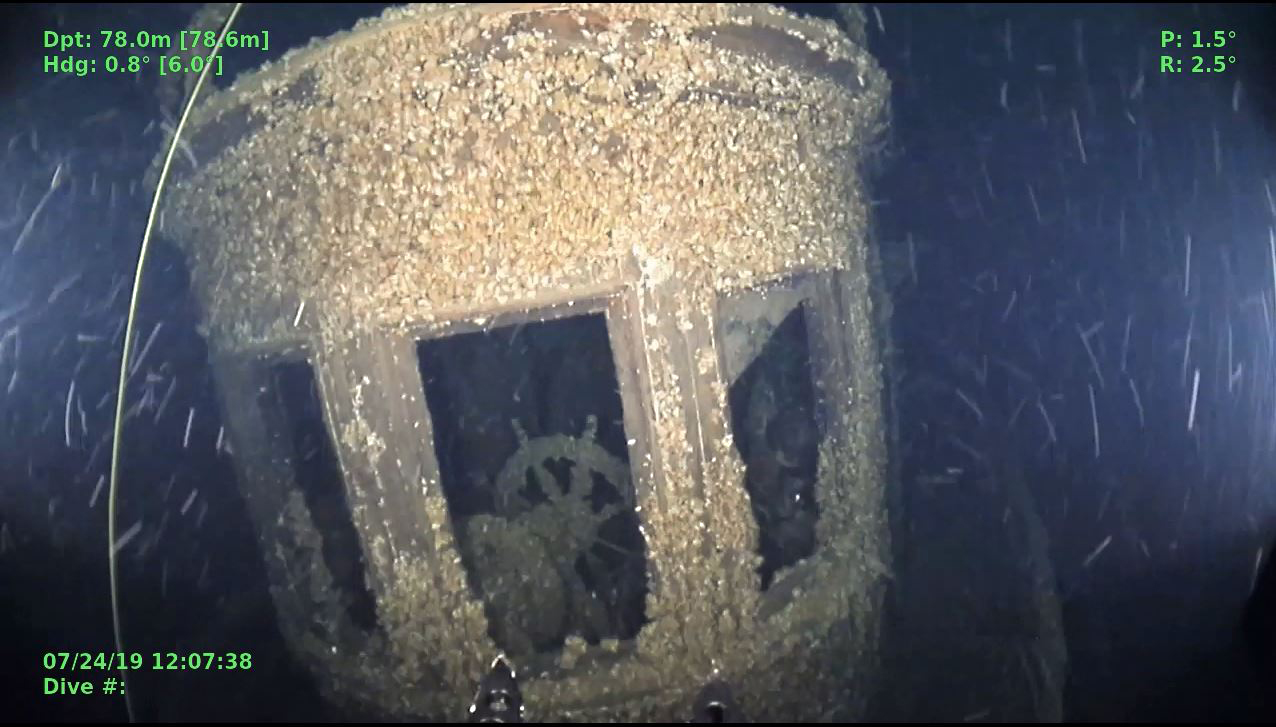
ROV image of the front of the pilot house. The windows are broken and the ship's wheel can be seen
img
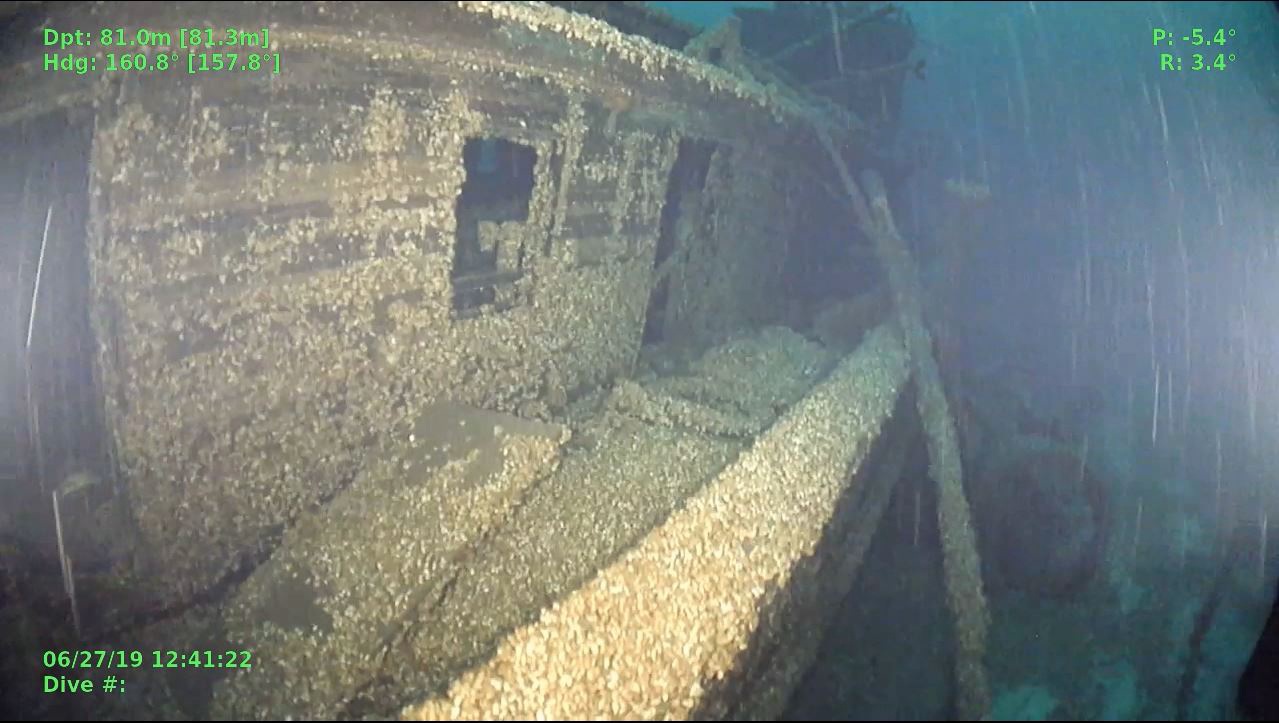
ROV image of the starboard side of the vessel looking forward
img
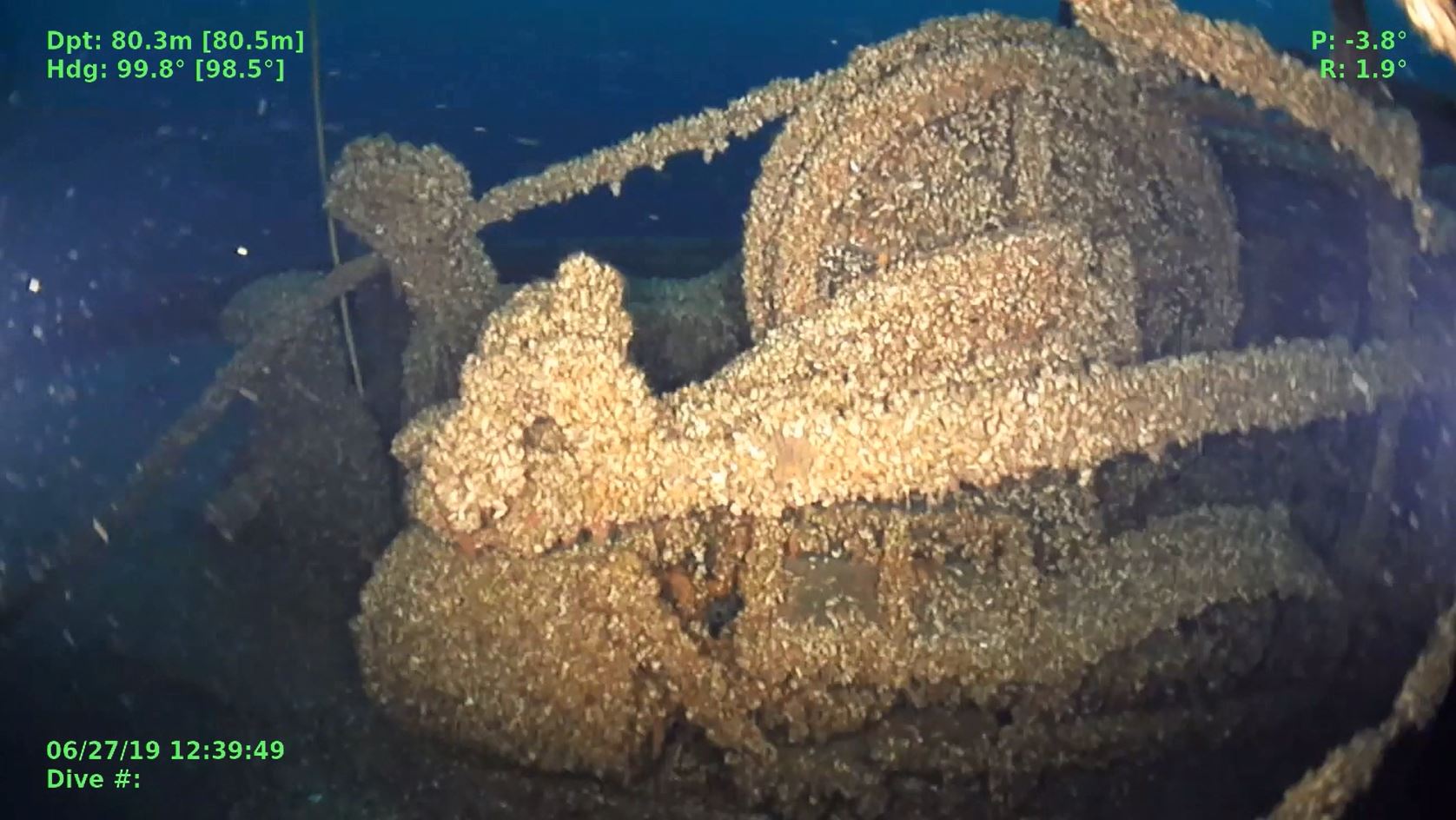
ROV image of a towing winch located in the stern aft of the pilot house
img
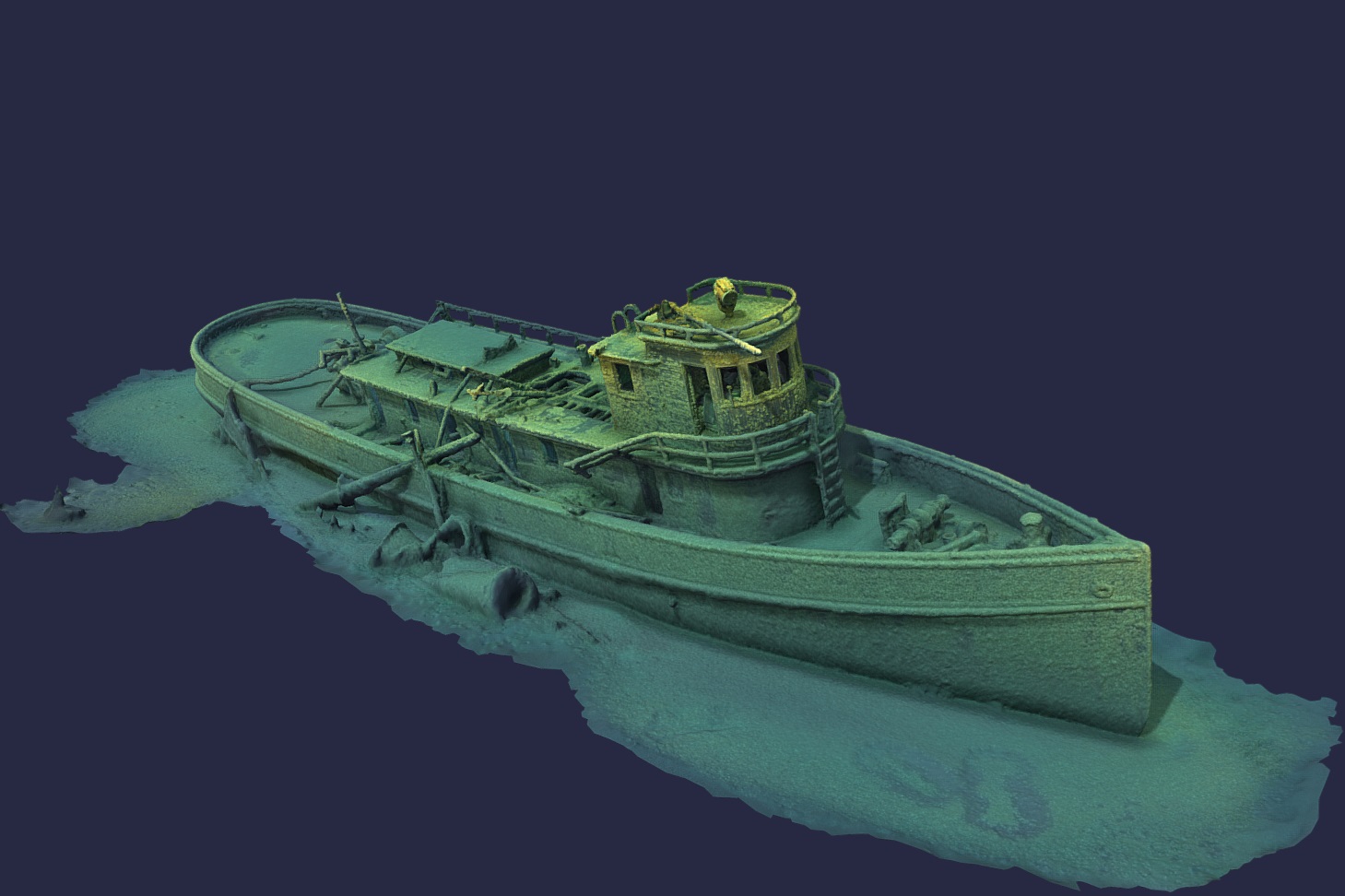
Still Image of the Photogrammetry Model of the Robert C. Pringle. View the Model Here:
By The Numbers
0
Built
0
Sank
0
Lives Lost
0
Depth (ft)
 
 
Service History

Built in 1903 and initially named the Chequamegon, the steam screw initially sailed excursion trips from its home port of Ashland, WI, to various locations on Lake Superior; the excursions were oftentimes so successful that the ship was unable to stop to take on additional patrons. However, once the Chequamegon Bay Transportation Company purchased the steamer Skater and announced plans to put the steamer on the Chequamegon's route, the Chequamegon was sent to Milwaukee, WI. The Chequamegon sailed between Pabst Whitefish Bay Resort and Milwaukee, now taking on fruit cargo alongside its passengers. The vessel was planned to make a 17,000 mile trip from the Great Lakes to San Diego, CA, with a hand-selected group of passengers, but this excursion never came to fruition, despite it gaining national coverage. After its sail in 1907, the Chequamegon took on excursion work out of Traverse City, MI. The steam screw was renamed to the Pere Marquette 7 after its sale in 1911, it continued excursion work, fruit shipping, and freight delivery on various routes on Lake Michigan.

The Pere Marquette 7 received a rebuild of its machinery in 1918 in order to increase its ability to tow barges, converting it into a tug, and the ship came under the ownership of the Pringle Barge Line Company. The company changed the tug's name to the Robert C. Pringle. The ship served a brief government delivery service near the end of WWI transporting deconstructed lake vessels through the Welland Canal to the Ocean. The Robert C. Pringle towed barges and schooners on the Great Lakes, receiving little attention from the press in the years leading up to 1922.
Final Voyage

On the early morning of June 19,1922, the tug Robert C. Pringle struck an unknown object (possibly driftwood) about 12 miles north of Sheboygan while towing the steamer Venezuela. The tug started to fill rapidly, and the ship was abandoned when water reached the boiler room. The crew (which is reported to have been between four and ten men) were safely taken in by the Venezuela and dropped off in Manitowoc. There was little hope for the tug being raised, and it was speculated that the bottom of the tug was soft due to its wooden construction and age.
Today

The shipwreck was located by Steve Radovan in 2008 and a team of divers collected video and photos of the wreckage in over 300 feet of water. The vessel was surveyed by maritime archaeologists from Wisconsin Historical Society and Crossmon Consulting LLC using a remotely operated vehicle in 2019. The ship sits upright and remarkably intact in 287 feet of water, all of the ship's artifacts remain.
 
Map
Confirmed Location     Unconfirmed location
© 2026 - Wisconsin Sea Grant, Wisconsin Historical Society