Service History
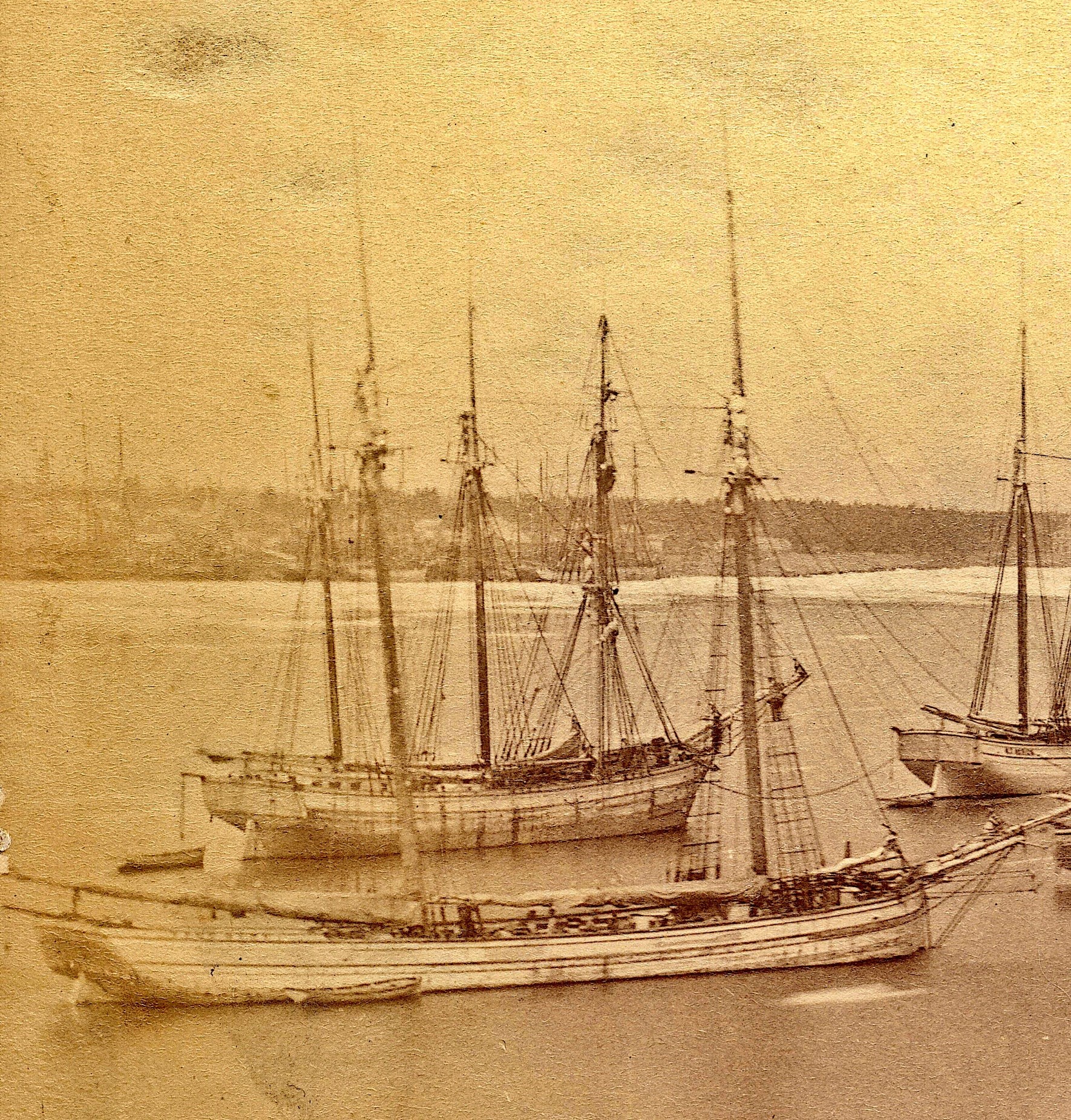
Trinidad was built in 1867 by William Keefe at a makeshift wilderness shipyard at Grand Island, New York. The Oswego-based owners John Keller and Aaron Merriam most likely chose the site due to its proximity to the white oak forests necessary for the ship's construction.
Trinidad was outfitted with wire rigging, which was uncommon on the Great Lakes at the time.
Trinidad was launched September 14th 1867 and arrived in Buffalo on October 3rd. The vessel received suspiciously high praise in the press at the time, possibly backed by the owners padding the reports with cash. The vessel would make regular trips between Milwaukee, Chicago, and Oswego, carrying cargoes of iron and coal across the lakes and returning with grain. The ship's first mishap occurred in November 1871, while transiting the St Clair Flats,
Trinidad collided with the schooner
Hoboken. Damage was slight, but on the return trip the vessel sustained significant damage during a gale on Lake Huron, ending the
Trinidad's shipping season early. By 1873 the ship was under the ownership of brothers Patrick and Nicholas Finn; the two could be attributed for the quickened disrepair of the canaller as they seemed apathetic to its maintenance. The vessel subsequently experienced a significant drop in value and insurance. Later in 1873,
Trinidad was bound from Chicago to Kingston with a cargo of wheat when a scow struck the vessel amidships doing significant damage to the railing and bulwarks ending the shipping season early while the vessel was laid up for repairs. In the 1879 season the Finn brothers did not have the ship inspected or rated as it likely would have received a lower rating, preventing the vessel from carrying most grain cargos. Regardless, in 1879
Trinidad switched to operating in the lumber trade between Suamico and Chicago. In 1880, the Finn Brothers arranged for
Trinidad to take a coal cargo to the mining operations on Silver Islet along Lake Superior's Canadian north shore.
Trinidad made the voyage to Silver Islet, but after making it over the reef the vessel was found to be leaking so badly that the pumps could not keep it afloat and the
Trinidad was allowed to sink alongside the dock in thirteen feet of water. It was later reported that the
Trinidad had a ten foot long hole in the bottom.
Trinidad spent the remainder of the 1880 season hauling cargos of iron ore on Lake Superior. Towards the end of the 1880 season, the owner, Captain Finn put the vessel up for sale for use in the lumber trade, he was able to find buyers in Oconto based lumber dealers Devillo Holt and Uri Balcom. Captain Finn sold them the
Trinidad for $10,000 in 1881 even though the vessel was insured for $8,000 the year prior.
Final Voyage
The final voyage of the
Trinidad began May 5ht, 1881, where the plan was to sail the vessel to finally deliver its previous season's cargo of coal and then sail up to Oconto to begin its new career in the lumber trade. By the evening of 10 May,
Trinidad made it to the Sturgeon Bay Ship Canal, the schooner encountered moderate waves after leaving the canal and headed south along the shore of Lake Michigan toward Milwaukee. As water leaking in was a common occurrence aboard the
Trinidad, there was little concern when the mate informed the captain that there was rising water in the hold. The crew set to the pumps, but the water continued to rise. In the early morning, 11 May 1881,
Trinidad suddenly lurched forward and began to sink quickly. Captain Higgins and the crew barely had time enough to reach and launch the yawl boat from the stern. Captain Higgins ordered the crew to row for the lights of Ahnapee (now Algoma). The crew battled waves for eight hours making shore at 2pm. They caught the schooner
J.B. Merrill which took them to Chicago. The insurance records indicate that
Trinidad did not receive any of the regular maintenance that a wooden ship requires and the vessel was essentially sailed into the bottom of the lake.
Today
If it had been properly maintained, the
Trinidad could have survived twice as long, as was common for other canallers of its time. The wreck of the
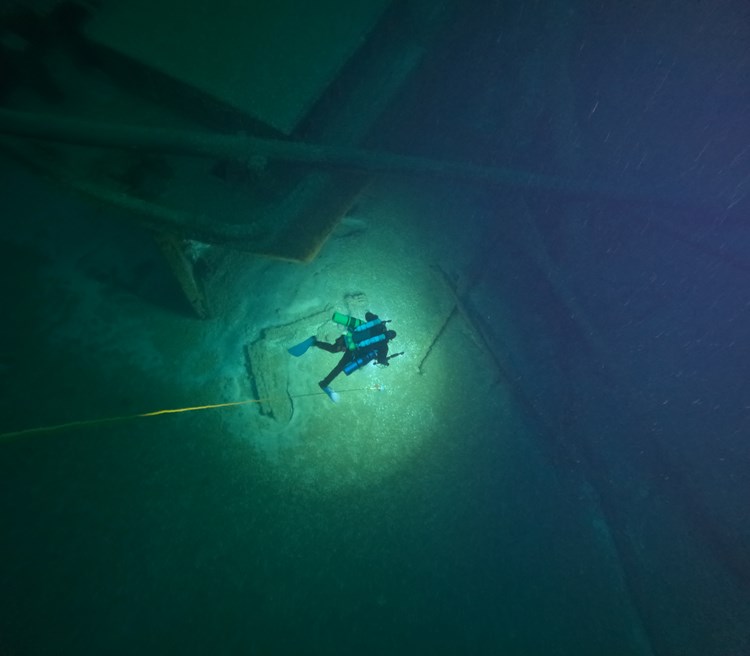
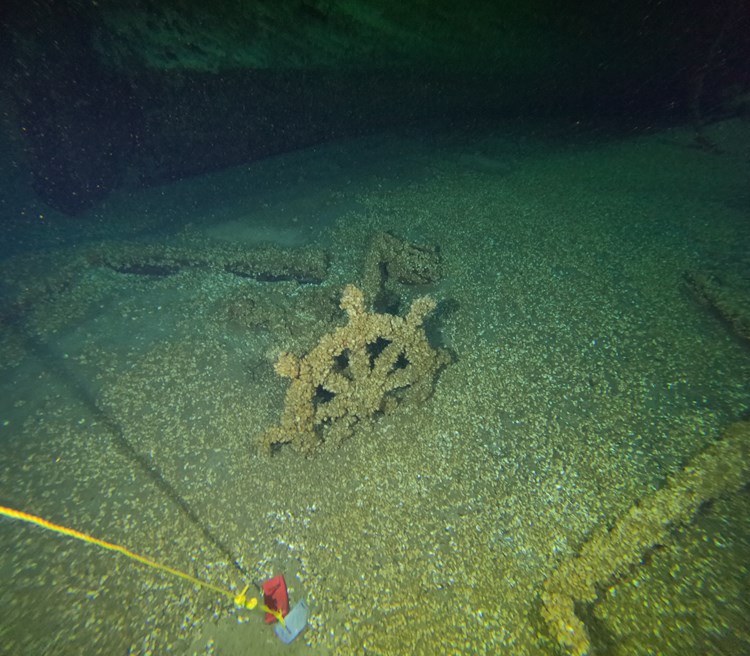
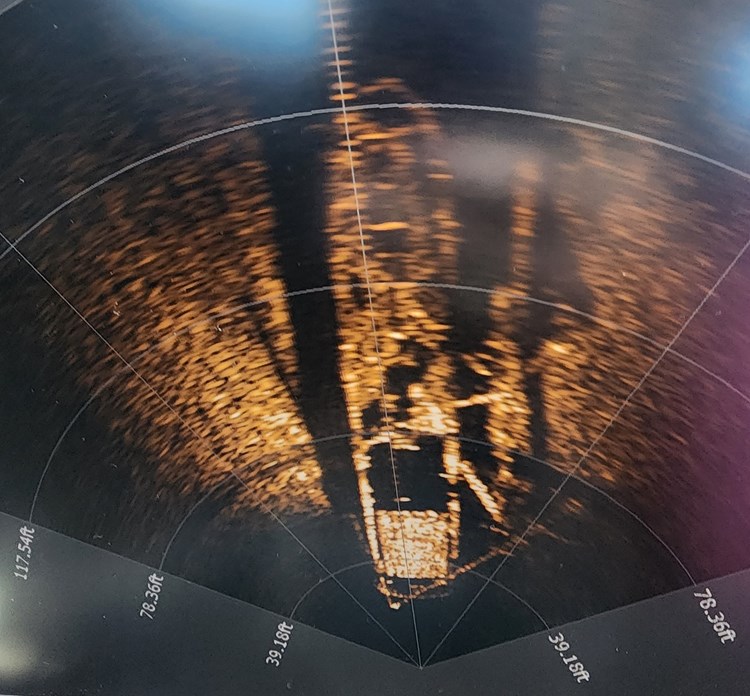
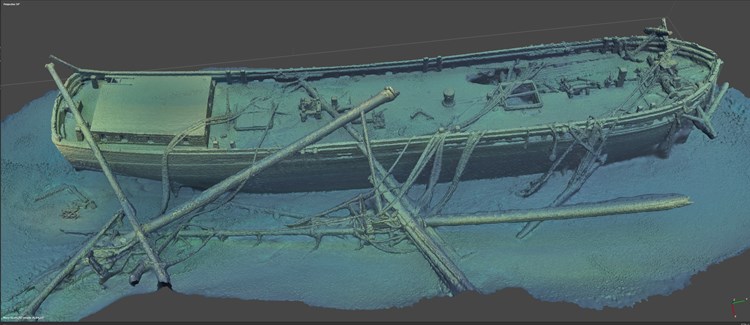
Trinidad was located in deep water by maritime historians and shipwreck hunters Brendon Baillod and Robert Jaeck in July 2023 by means of side-scan sonar. Wisconsin Historical Society archaeologists and volunteers surveyed the wreck in August 2023.
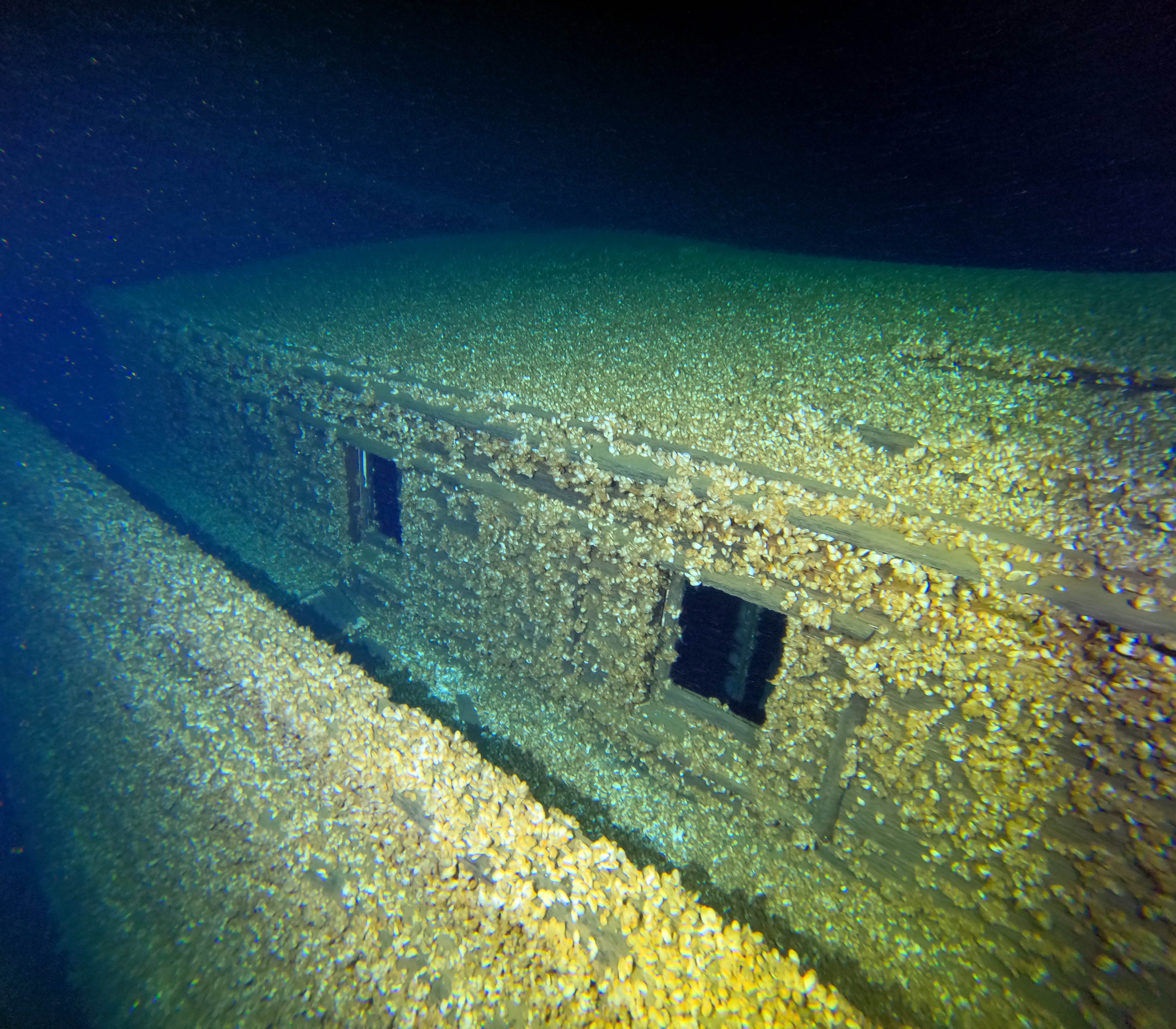
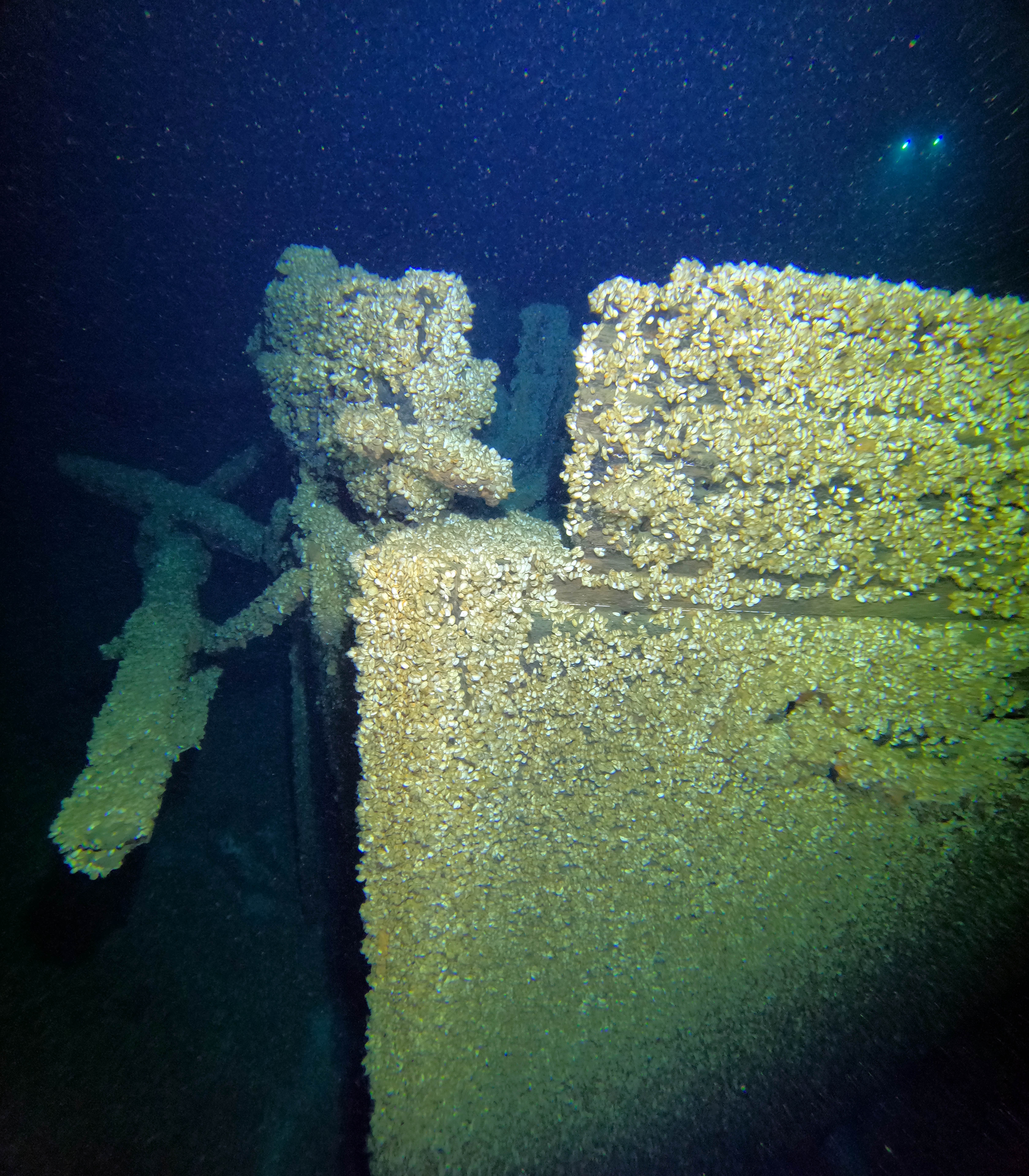
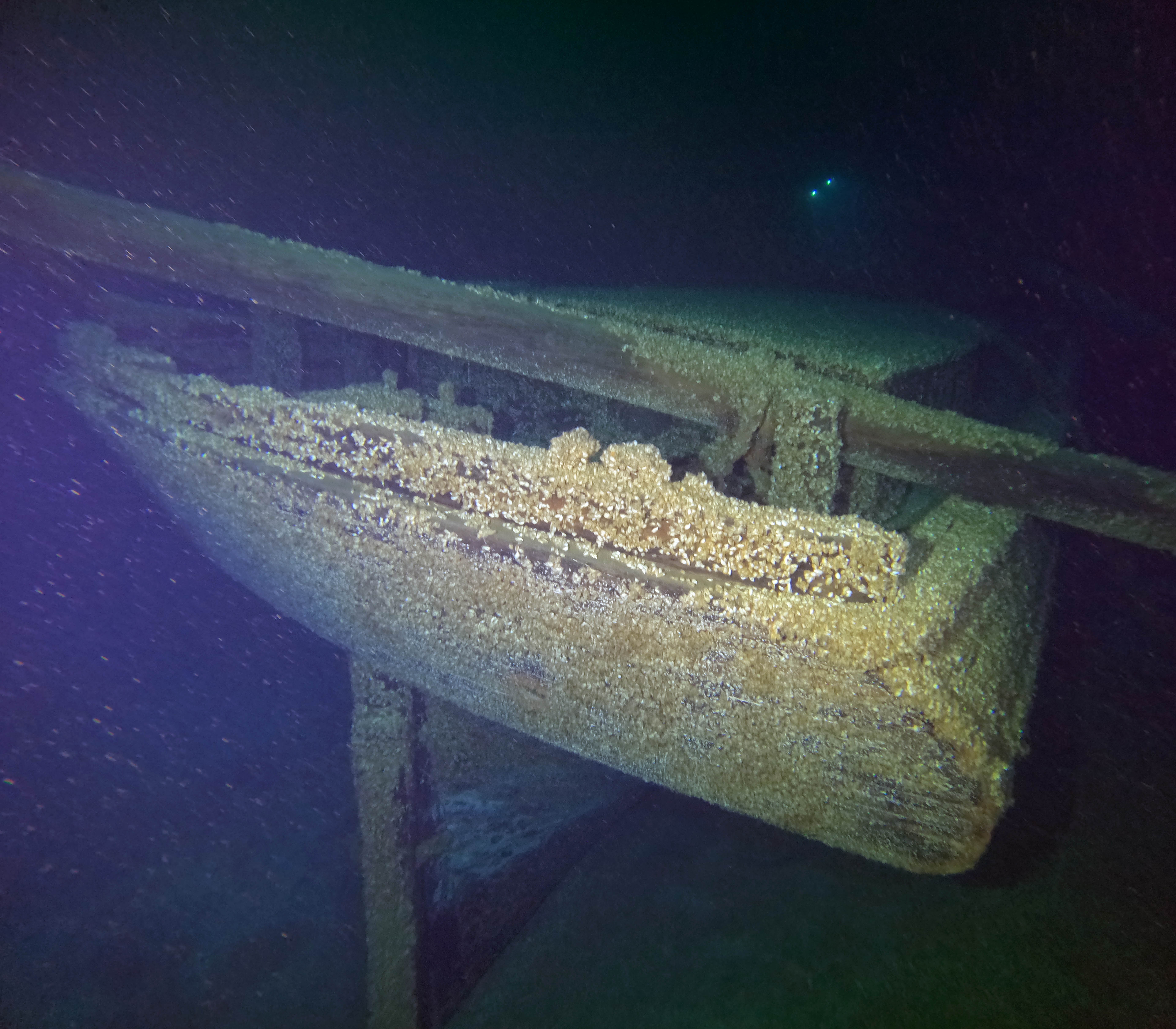
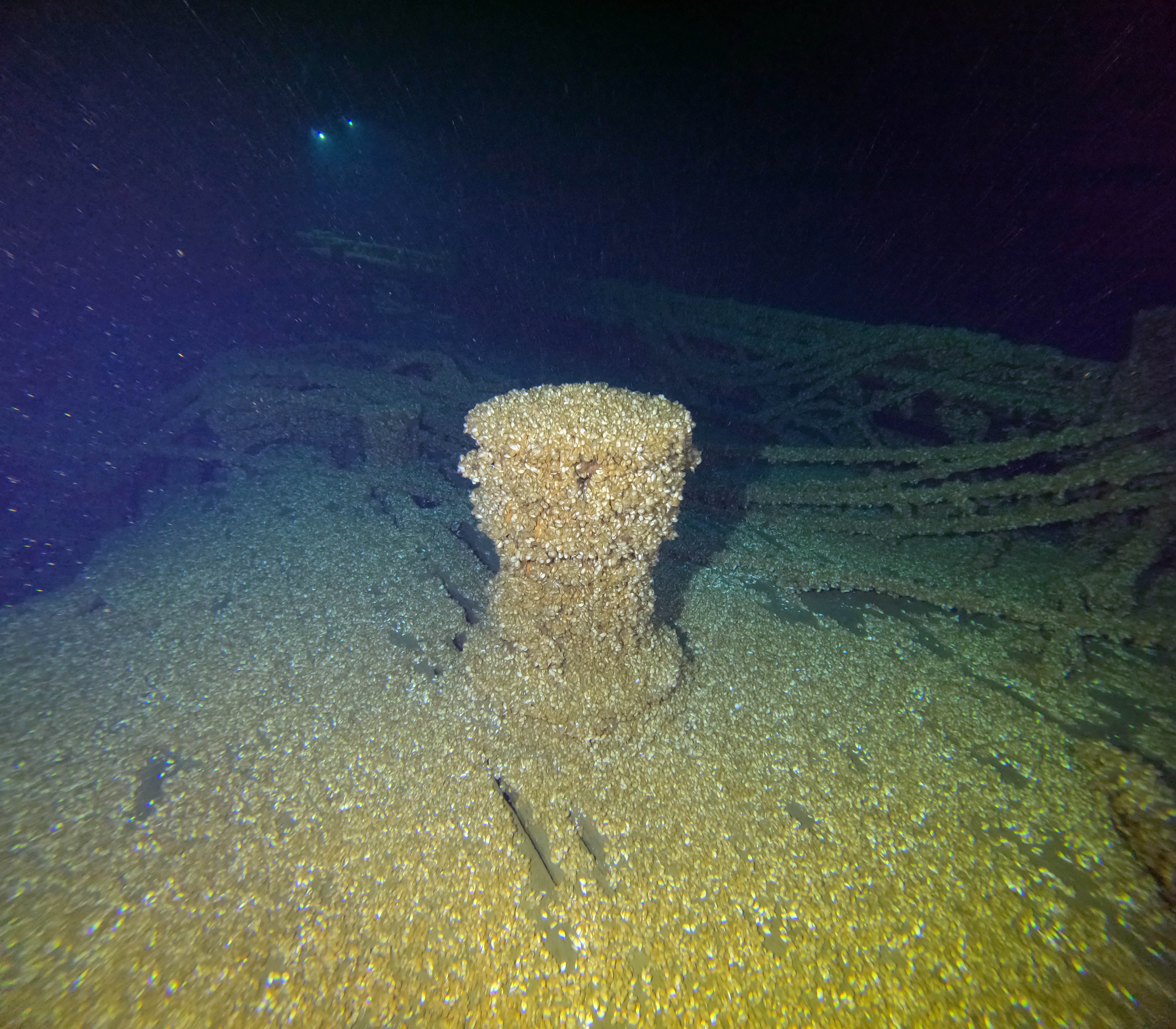
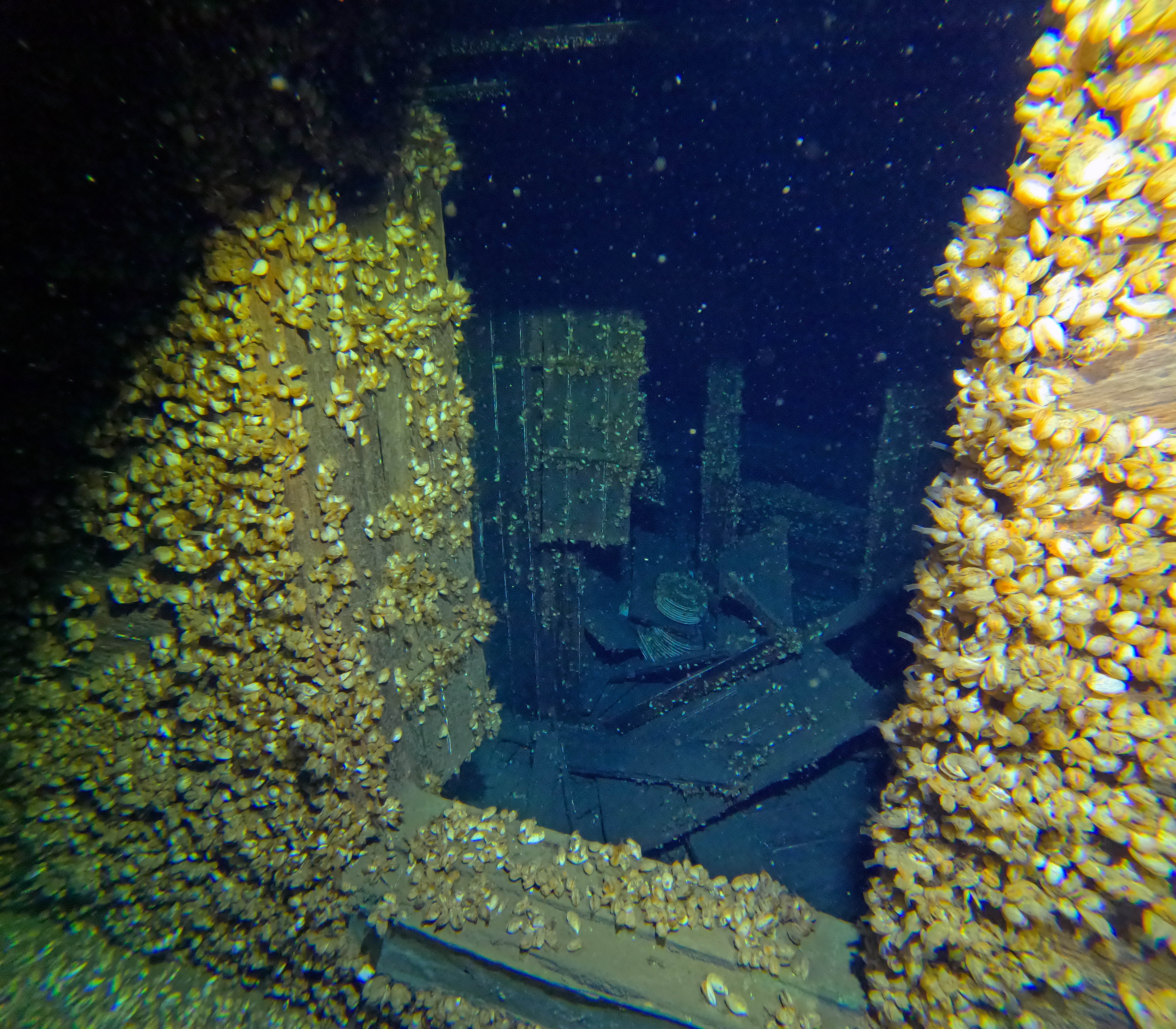
Trinidad is in remarkable shape due to being so deep under Lake Michigan, all hull components are present within the wreck site and the wreck sits nearly complete on the bottom. The fact that the deck house is still intact and two out of the three cargo hatches on the deck remain closed and intact indicates that air might have escaped from damage on the vessel's forward port side, a rare occurrence.

 Confirmed Location
 Unconfirmed location