S. A. Rogers Main Pier at Rowley’s Bay
Gallery
img
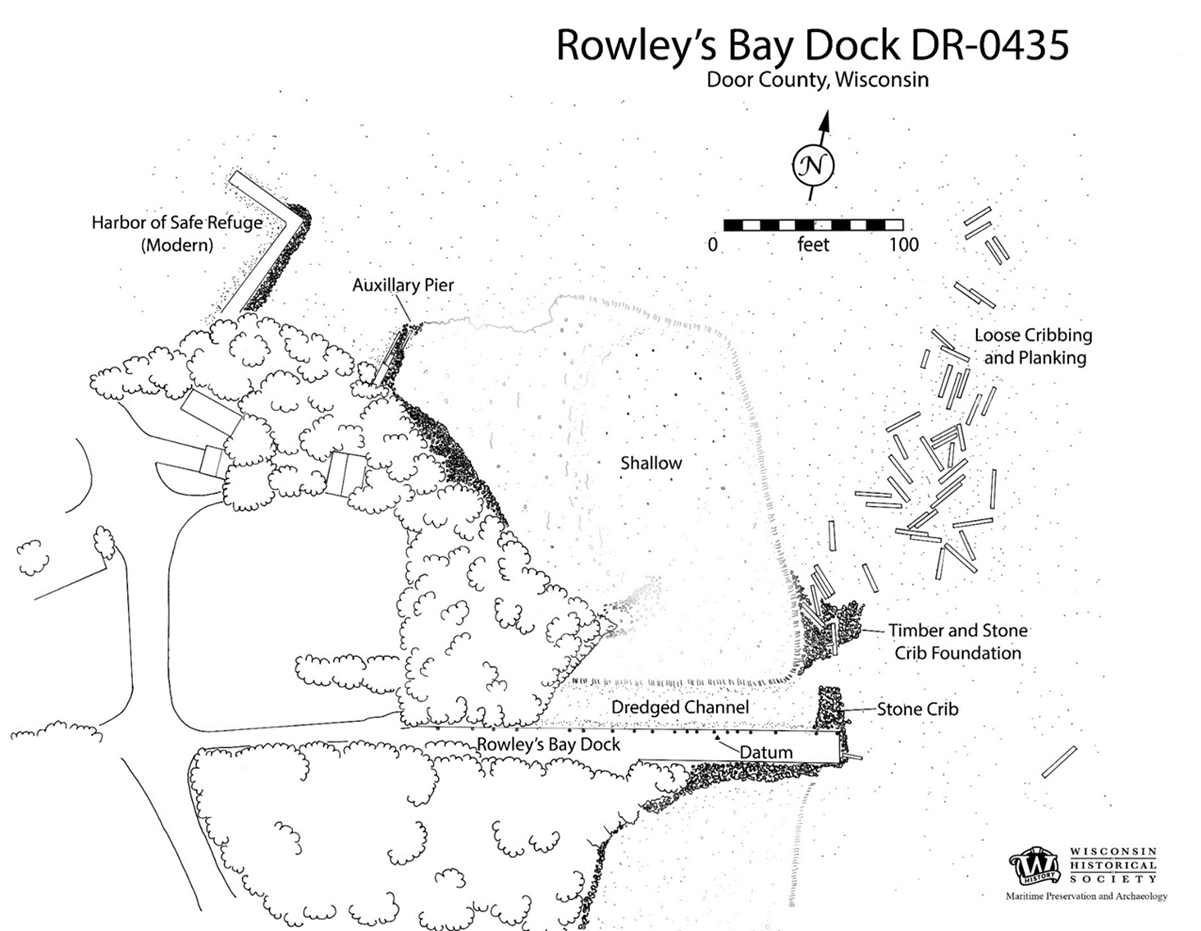
S. A. Rogers Main Pier site plan
img
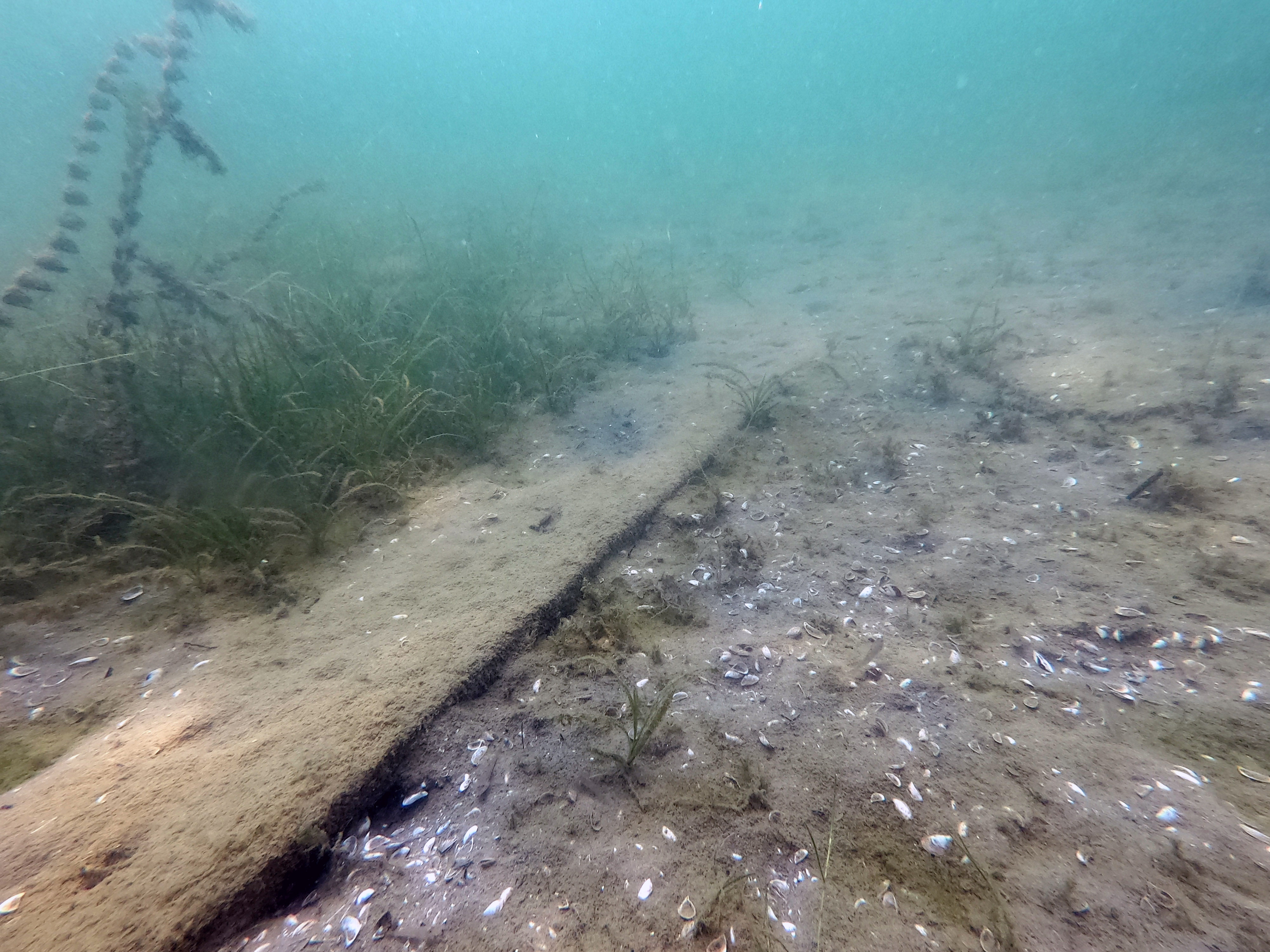
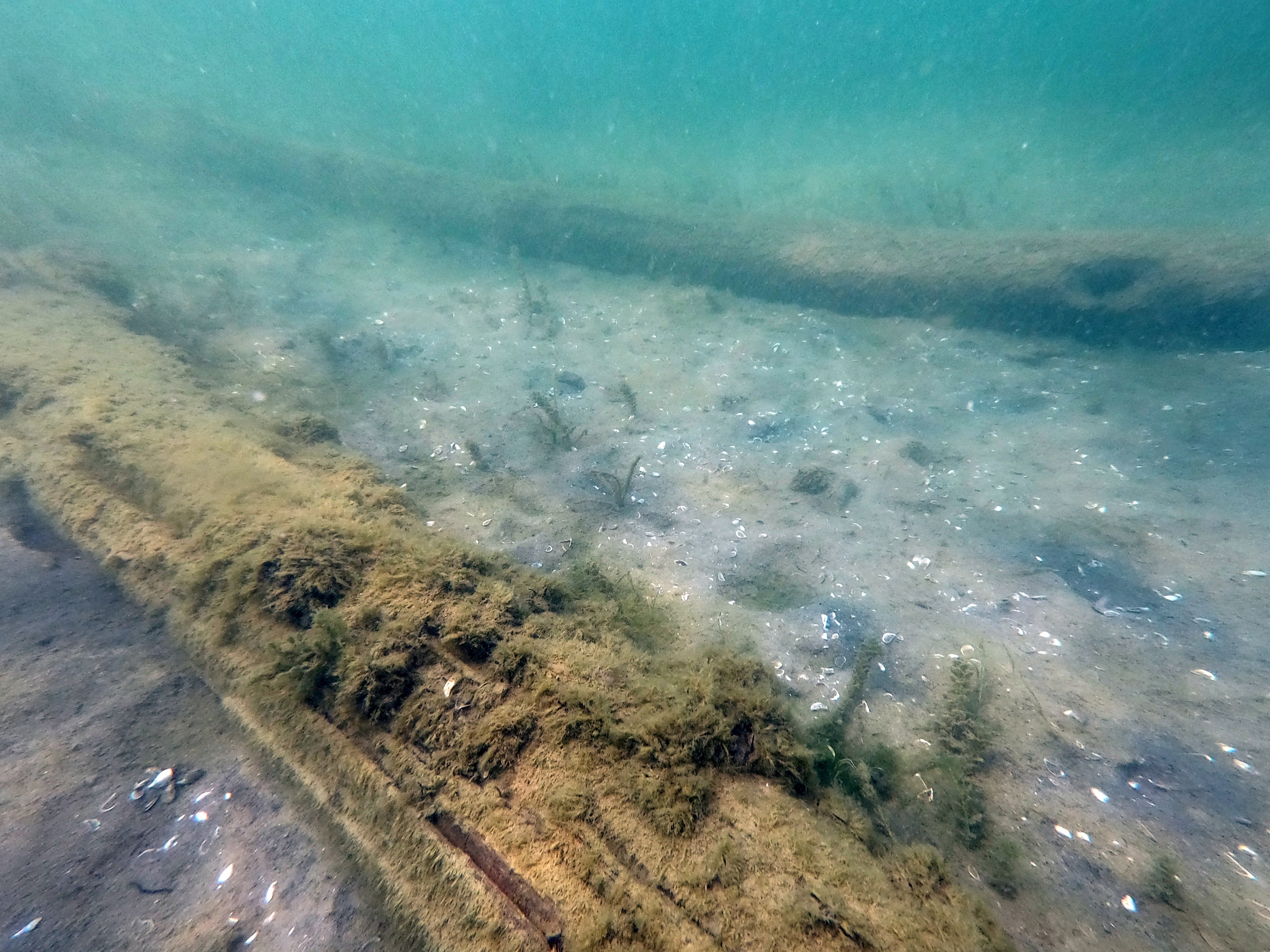
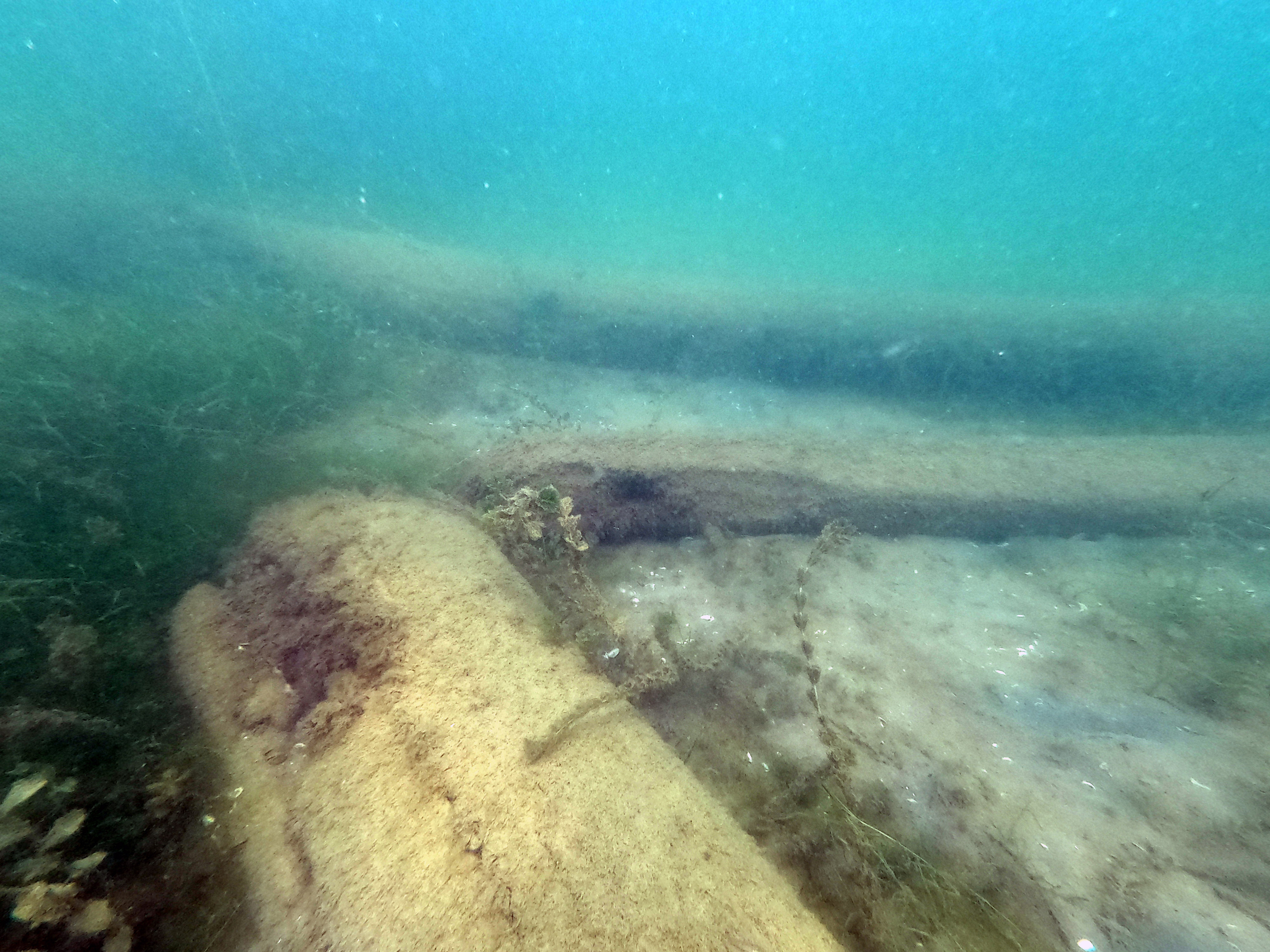
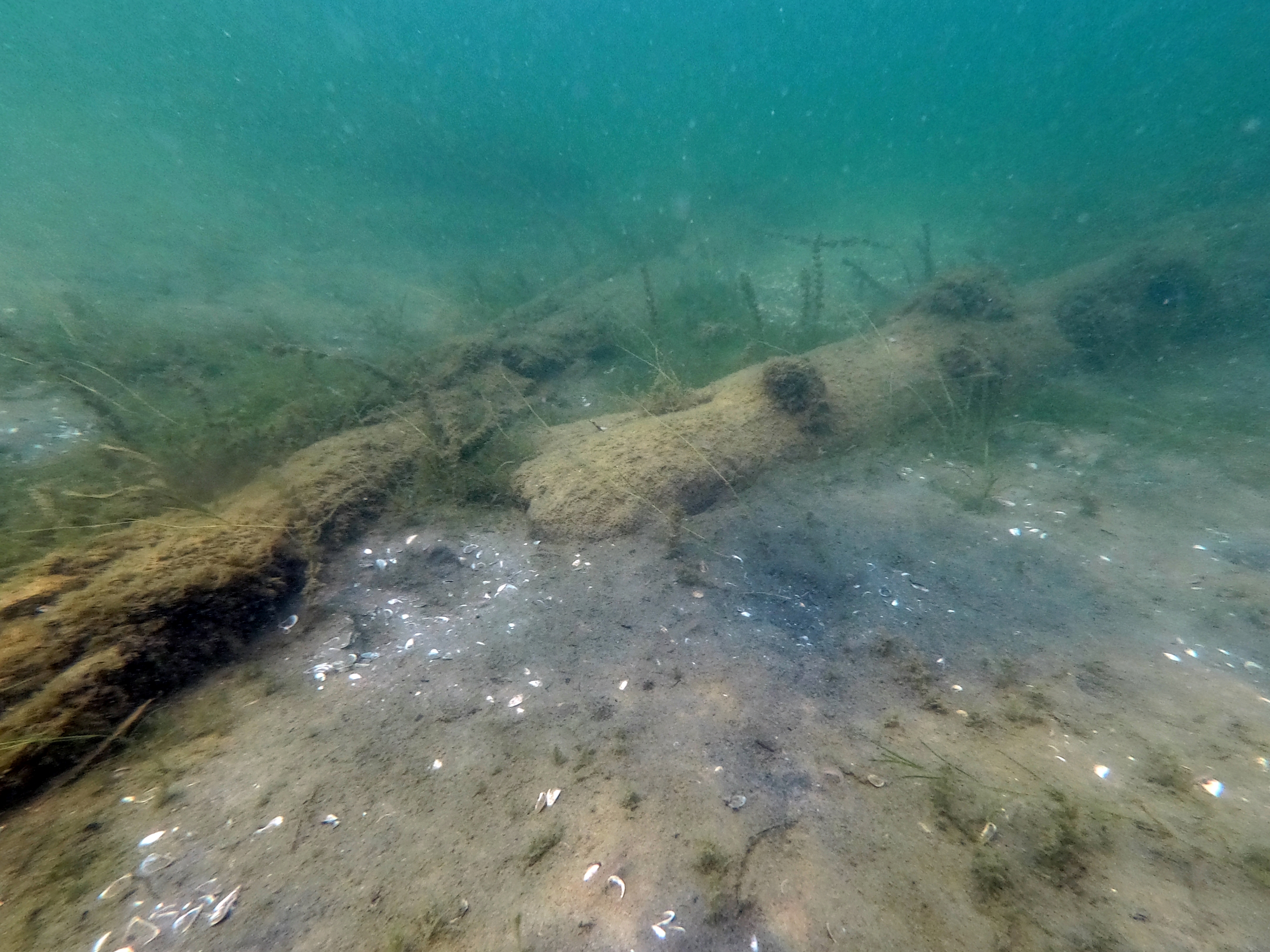
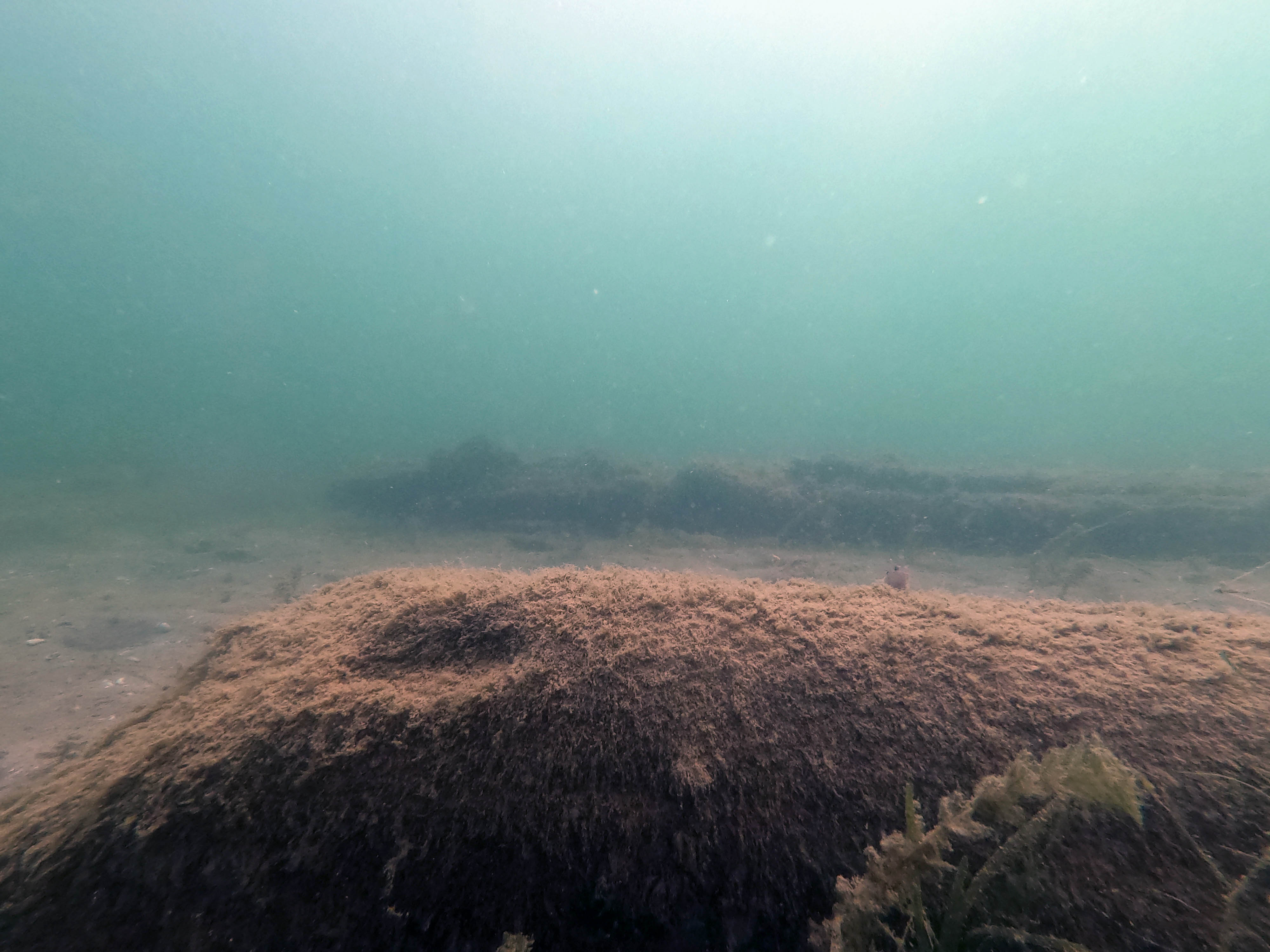
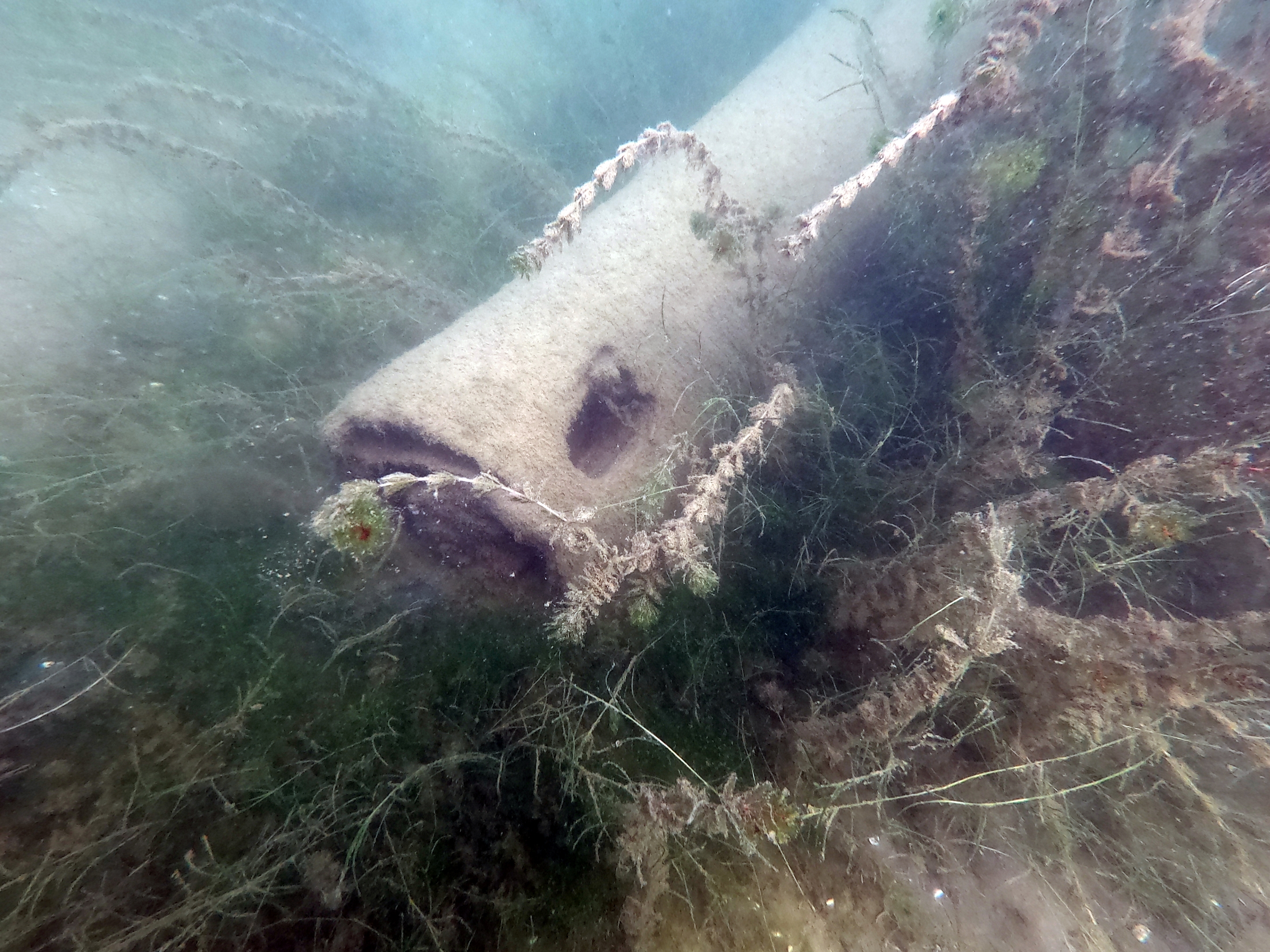
Pier timbers
img
Pier timbers
img
Pier timbers
img
Pier timbers
img
Pier timbers
img
Pier timbers
 
Attraction
Description
The Rowley’s Bay Pier was located on the south shore of a small cove on the west side of Rowley’s Bay. Much of the location of the former pier complex was developed into a modern boat launch and the now closed Rowley’s Bay Resort (formerly known as the Wagon Trail Resort). In 1870, the firm of Osborne & Company purchased the land where the resort later stood. The firm immediately began lumbering operations in the region, producing cedar poles and posts, telegraph poles, railroad ties, and cordwood, even though the shallow, rocky bay made it difficult for ships to call at the lumber pier. The firm’s harvest and production were described as “a little ahead of anywhere else in the county,” producing 6,000 railroad ties, 15,000 cords of wood, 16,000 telegraph poles and 60,000 cedar posts.

Osborne & Company faced many land disputes and lawsuits, some that went on for years after the company left the area. The company’s former holdings were transferred to S. A. Rogers between 1876 and 1880. Rogers restarted the operation and continued lumbering at Rowley’s Bay even though his ownership status was unsettled in the courts until 1880. He built the new pier store at what would become the main pier in 1880. Due to his connections, Rogers was able to sell lumber to New York in addition to the usual Lake Michigan lumber ports of Milwaukee and Chicago. This allowed him to purchase and sell East coast merchandise at his pier store. He advertised goods that were not found elsewhere in the Door County region. Rogers also offered free rent and year-round work for family men willing to chop cordwood. He was so successful, he was able to purchase additional timberland and pay wages for a lumber crew of seventeen. Rogers had several piers located throughout Rowley’s Bay, including the main pier purchased from Osborne & Company, a 150-foot pier at the mouth of the Mink River near the head of Rowley’s Bay, a 300-foot wharf on the east side of the bay, and a pier at the end of nearby Juice Mill Road built for the use of the J. H. Matthes & Company cedar oil works. Not all of these piers were in use at the same time, but Rogers was described as the owner of three piers between 1885 and 1886.

To move wood from the smaller, shallower docks, Rogers purchased the hull of the tug Henry and used the vessel to move wood to the larger docks as needed. Rogers sold significant amounts of lumber, but less than the previous owners, Osborne & Company. In 1883, Rogers constructed saw and shingle mills near the main pier, which began operating a year later. A nearby source of roof shingles for houses and barns was a great convenience to local farmers, who had previously had to go as far as Sturgeon Bay to buy shingles. The industry quickly depleted the remaining lumber of the region. In 1888, a fire consumed the shingle mill and another fire burned the sawmill, but Rogers rebuilt. In 1902, Rogers signed over his Door County affairs to his son, Jay Rogers. S. A. Rogers moved back to New York with his wife in 1904. After she passed away in 1914, Rogers returned to Rowley’s Bay and died there in 1921. The last load of lumber from the pier was shipped out four years later in 1925. The various buildings of the pier complex were abandoned, in disrepair, or were demolished. The main boarding house was razed in 1930. In 1948, S. A. Rogers’s grandson Clinton Rogers sold the property to Chicago entrepreneur Lou Casagrande, who founded a resort. By 1970, the Petersons had taken over and changed the name to Wagon Trail Resort, later changing it again to Rowley’s Bay Resort.
 
Map
 
Nearby
© 2026 - Wisconsin Sea Grant, Wisconsin Historical Society