Stockton Island Brownstone Quarry Dock
Gallery
img
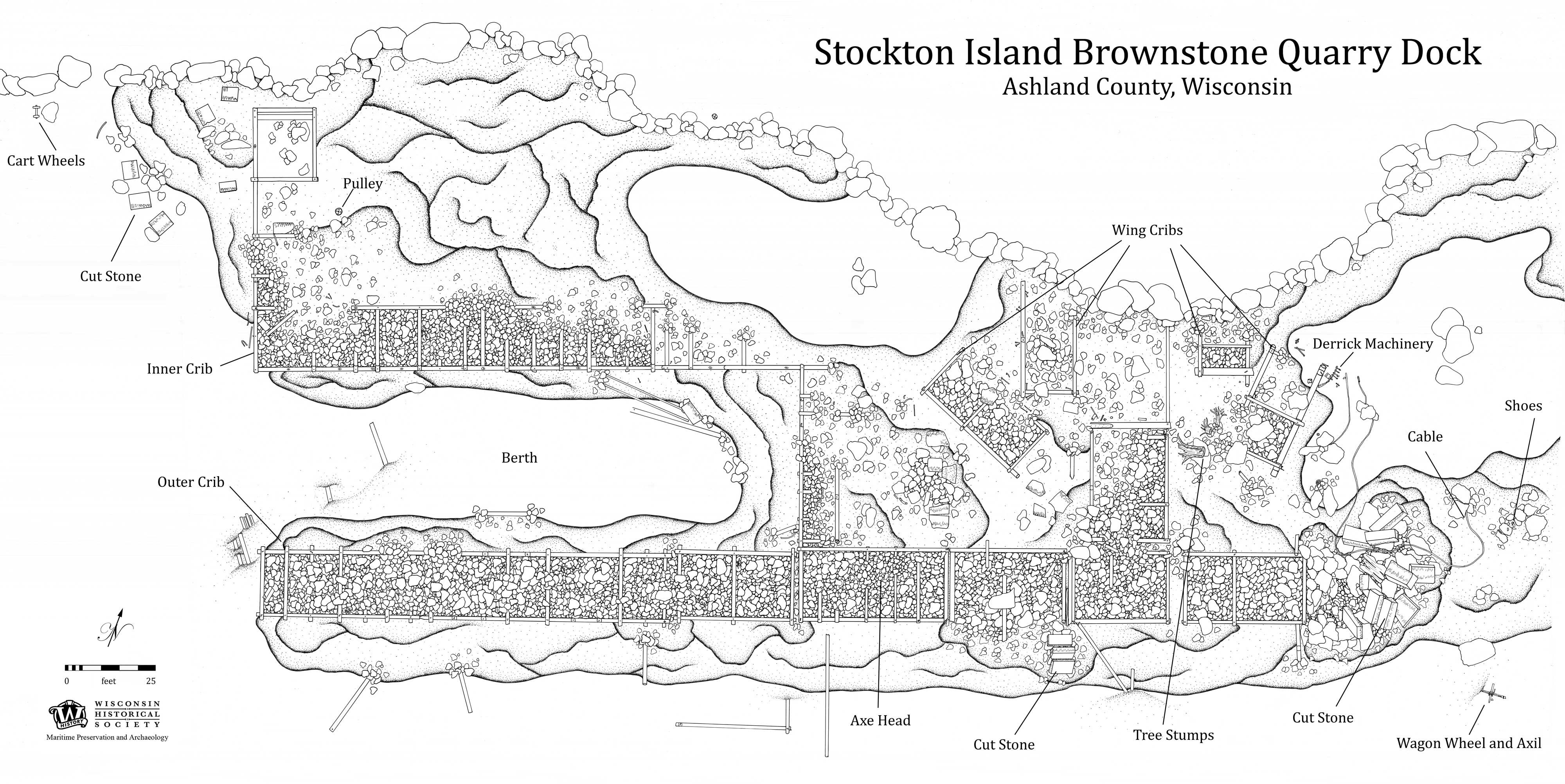
Stockton Island Brownstone Quarry Dock Site Plan
img
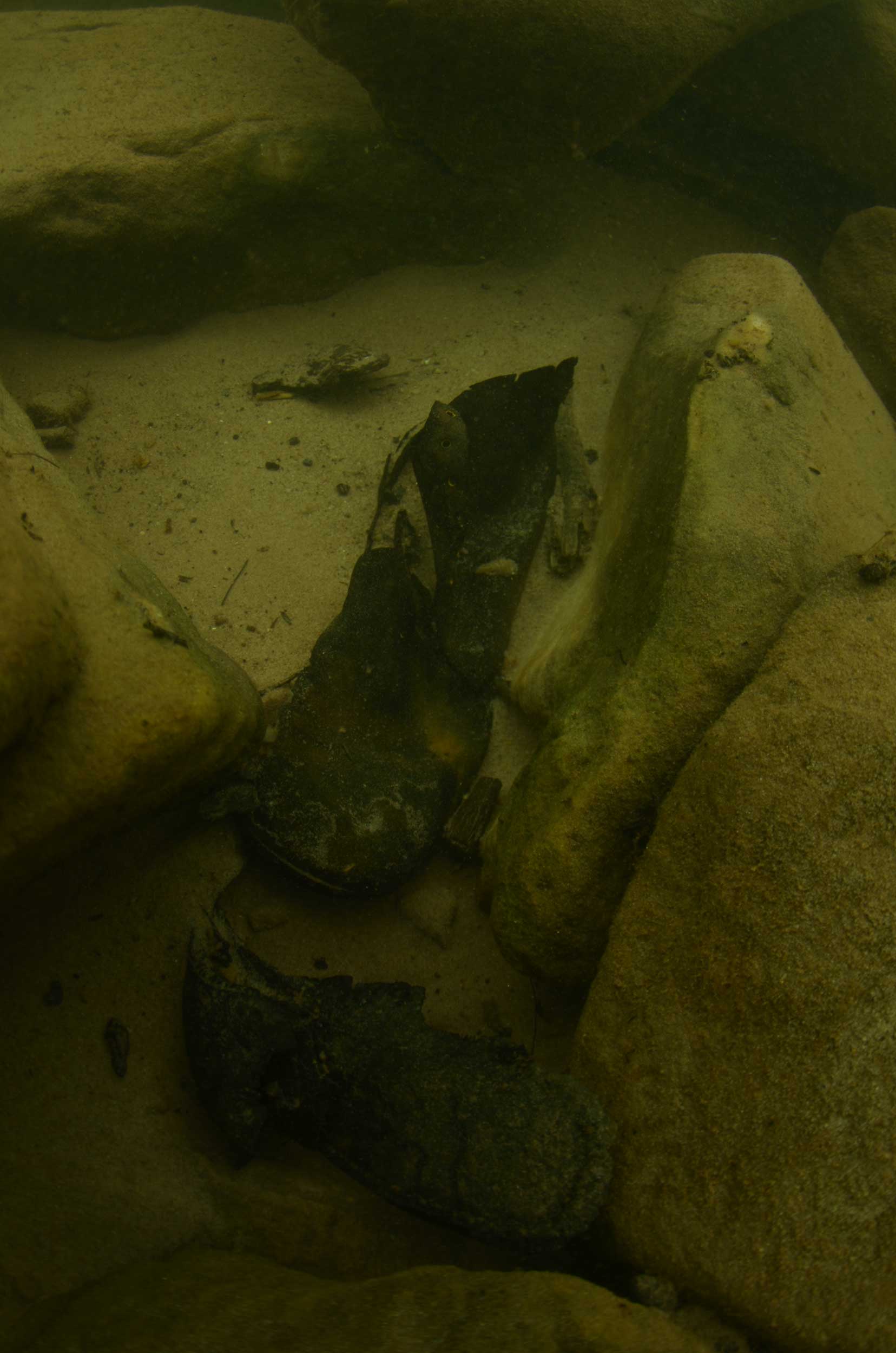
Shoes located on site
img
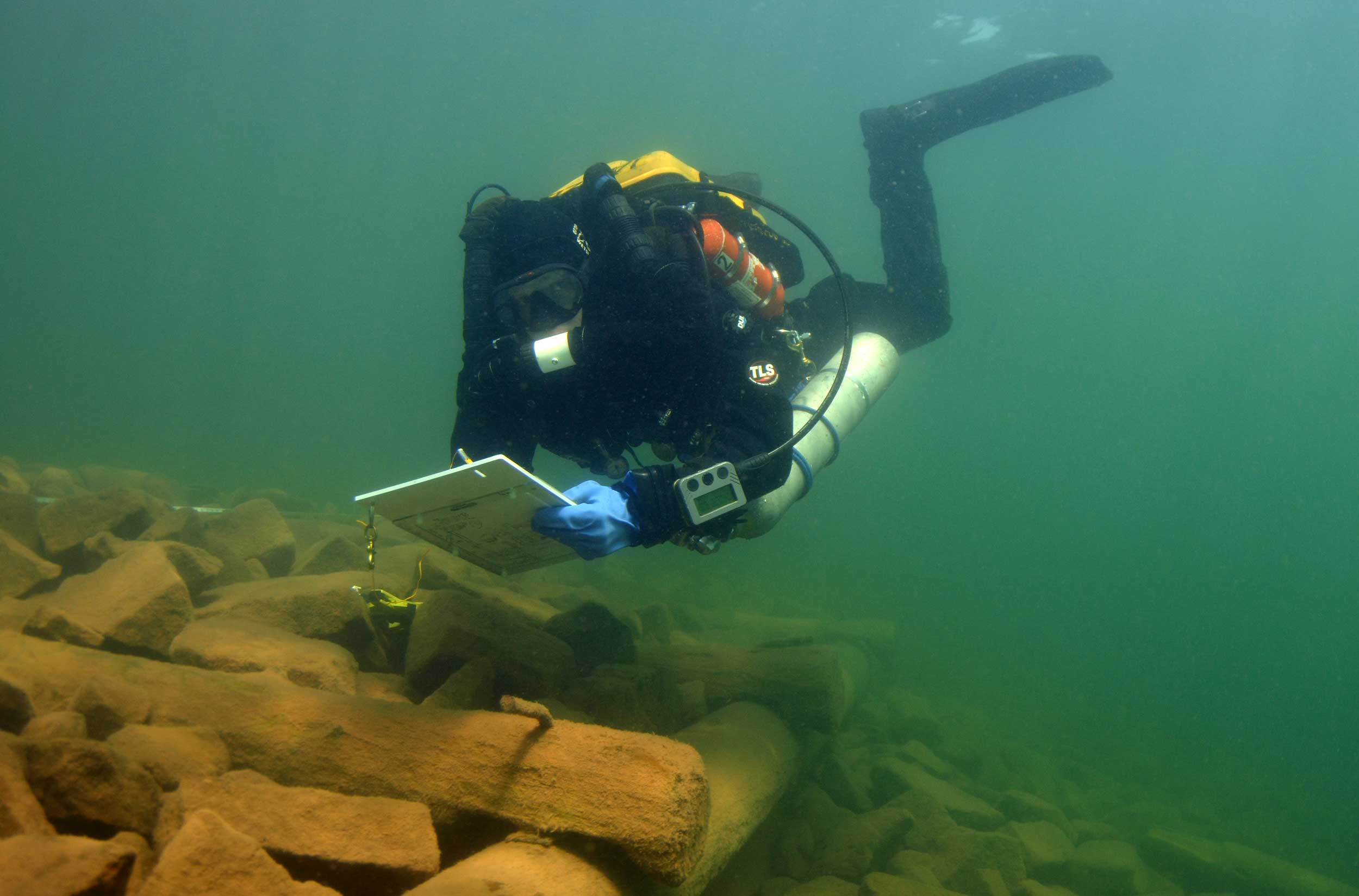
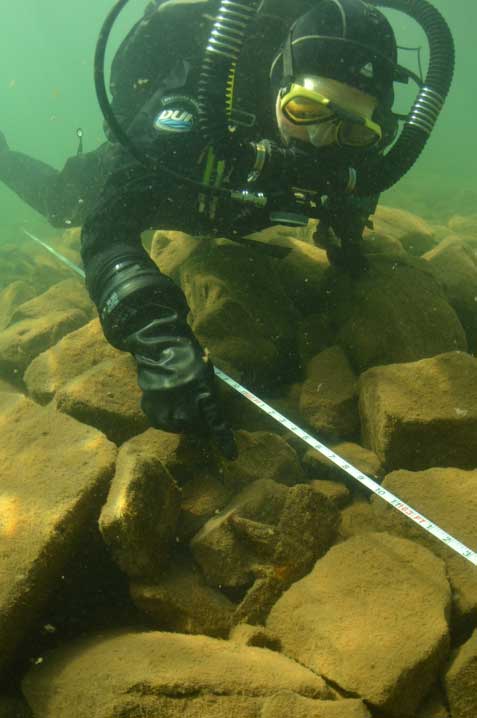
An archaeologist surveys the dock ruins of Stockton Island
img
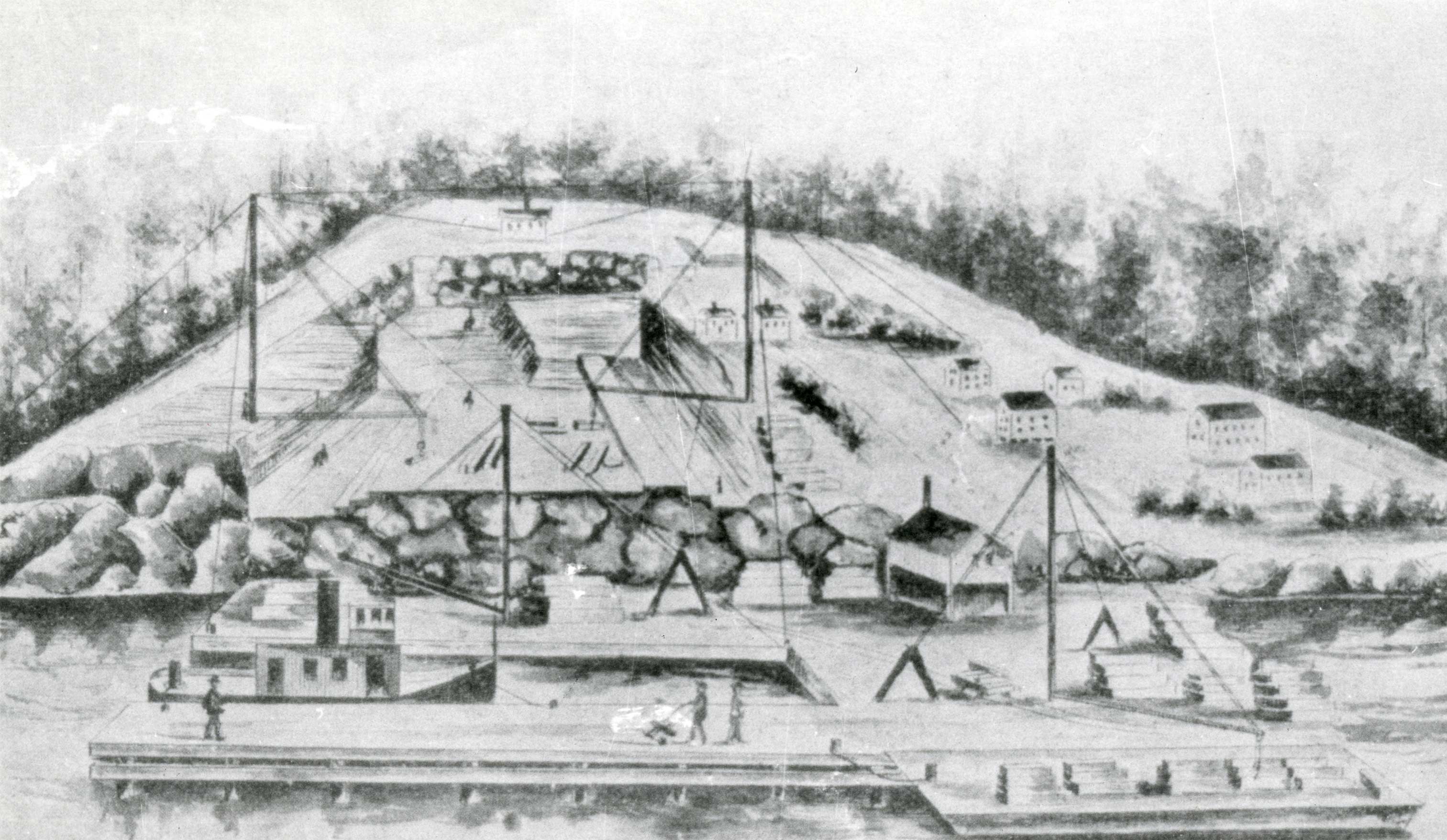
Artist's rendition of the Ashland Brownstone Quarry on Stockton Island from the 1890's
img
An archaeologist investigates an axe head found on the site
img
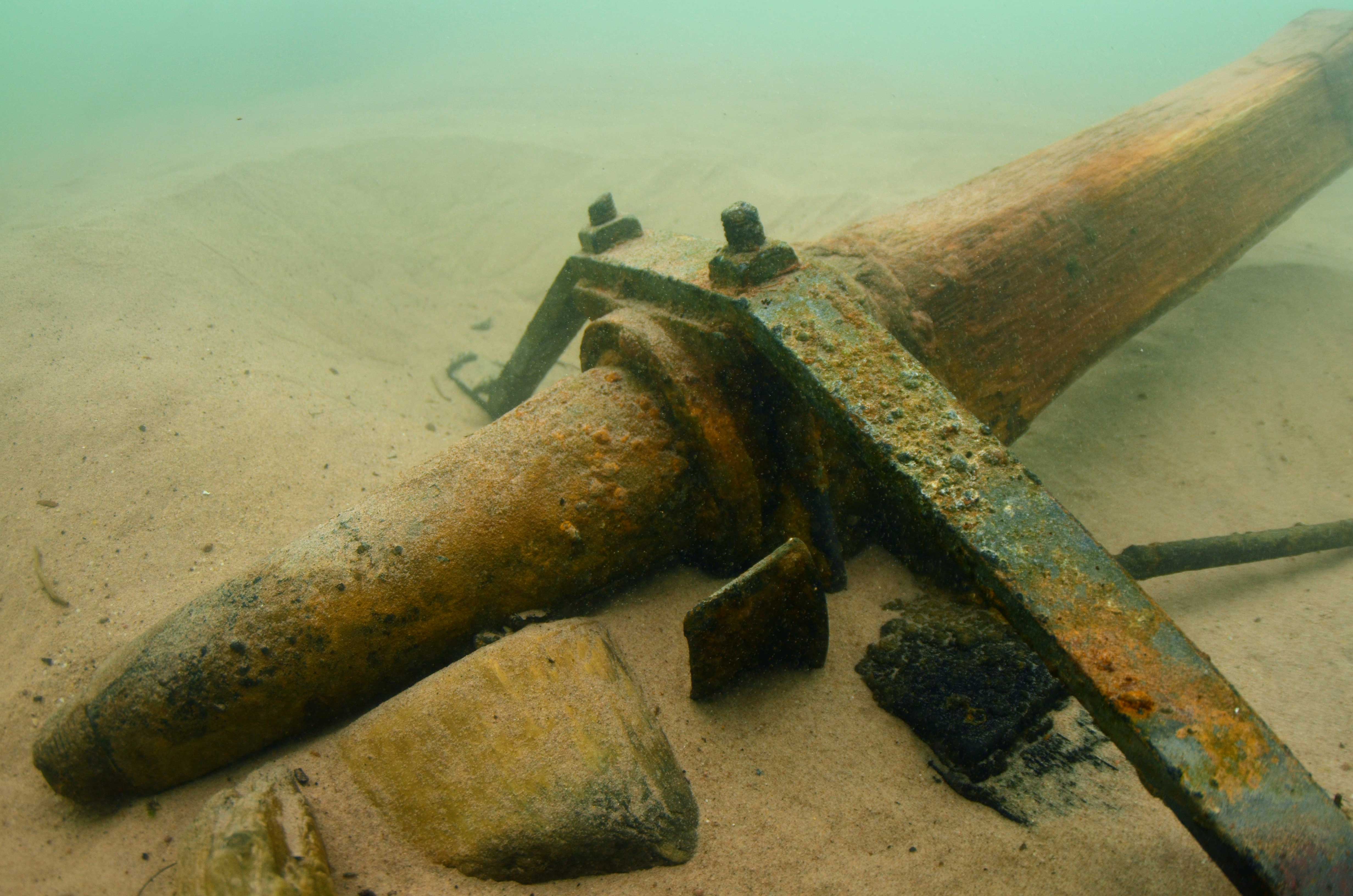
Cart axle and leaf spring
 
Attraction
Description
The earliest quarrying operations on Stockton Island took place in Quarry Bay in 1871 and only lasted for one year. Brownstone quarrying returned to the island again in 1886 with the creation of the Ashland Brownstone Company. A period of significant boom for the Ashland Brownstone Company followed until production rates began to fall at the start of the 1893 season. It produced over 200,000 cubic feet of stone each year, making Stockton Island the most successful of the Apostle Island’s brownstone quarries.

As with other brownstone quarries in the region, the popularity of brownstone as an architectural material declined following the 1893 economic downturn, paired with the 1893 World’s Columbian Exposition which popularized white buildings. Despite this downturn, the Ashland Brownstone Company continued to operate on the Stockton Island quarry until 1897. In 1897, the company could not maintain operating costs and the quarry suspended operation at the close of the season. Although the Stockton Island quarry operated for the shortest number of years of any of the Apostle Island’s quarries, the Ashland Brownstone Company quarry had some of the highest production rates in the region and produced stone for a number of notable buildings throughout the Midwest.

Site Description:
The remains of the Stockton Island quarry dock extend into Lake Superior from the southern side of Stockton Island in 7 to 23 feet of water and consists of six crib structures. The main crib consists of two spokes extending to the southwest from shore and one cross-crib connecting the two spokes. The lakeside spoke extends the full length while the shore side spoke is smaller. The interior of the crib consists of medium to large sized rocks. Cut stones are extant among the uncut rocks throughout the crib, along with numerous artifacts. Northeast of the lakeside spoke are the remains of one intact leather boot and two leather soles that are likely associated with the quarry and dock structure. The half-buried remains of an axle and leaf spring remain southeast of the lakeside spoke. Additional cribbing extends toward shore at the southwestern end of the inshore spoke. To the west of this cribbing, six additional cut stones remain. Other artifacts remain west of these stone blocks including a short segment of narrow-gauge rail track and a set of narrow-gauge wheels. The rest of the crib is composed of five separate crib structures north of the shore spoke, three extending from the edge of a large point, and the other two wing cribs extending diagonally between these. Stone splitting wedges were found scattered throughout this area. Though it is not known why there are so many small cribs in this location, it is possible these cribs made up the support structure for a wide storage dock. A historic painting from the time of the quarry’s operation depicts a large, flat, open space on which cut stones and tools were stored before loading onto awaiting ships. Various artifacts, associated with a derrick and other loading machinery were located to the east of the eastern wing crib. These include a piece of derrick machinery consisting of a box, and two iron straps with bolts attached.
 
Map
 
Nearby
© 2026 - Wisconsin Sea Grant, Wisconsin Historical Society