Abiah (1847)
Gallery
img
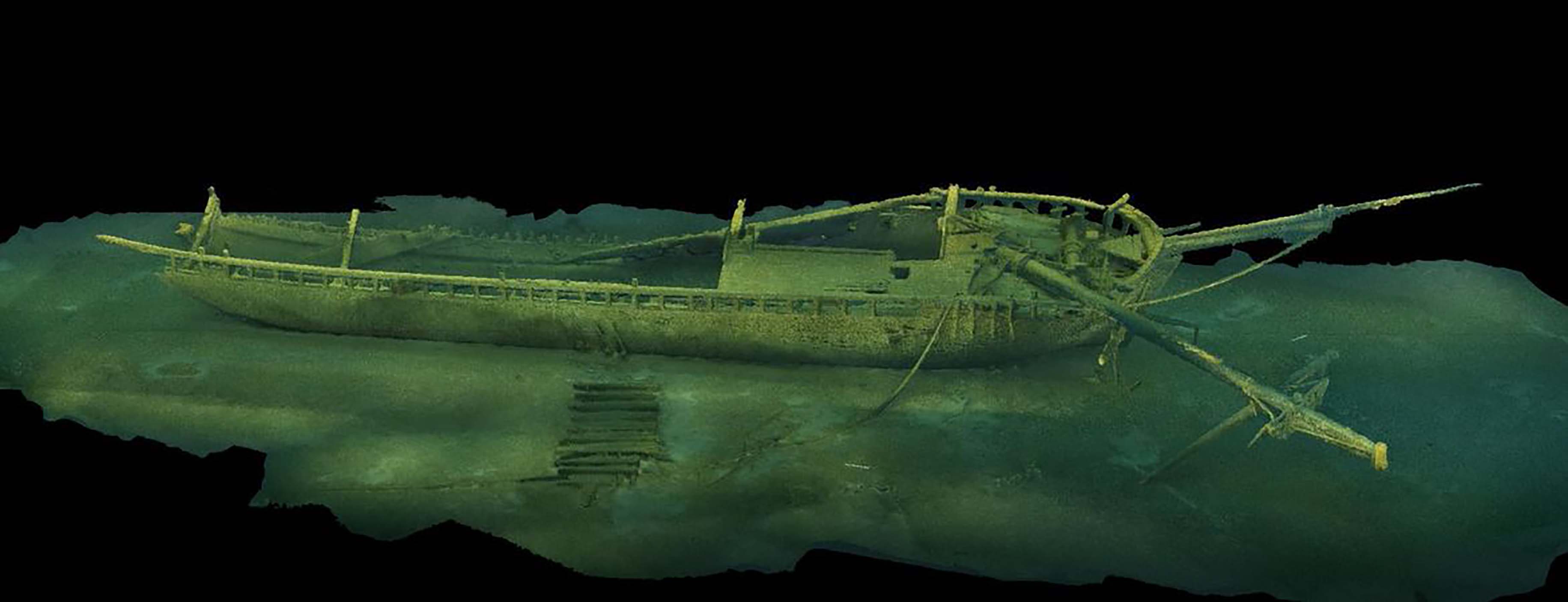
Scale 3D rendering of Abiah’s starboard side
img
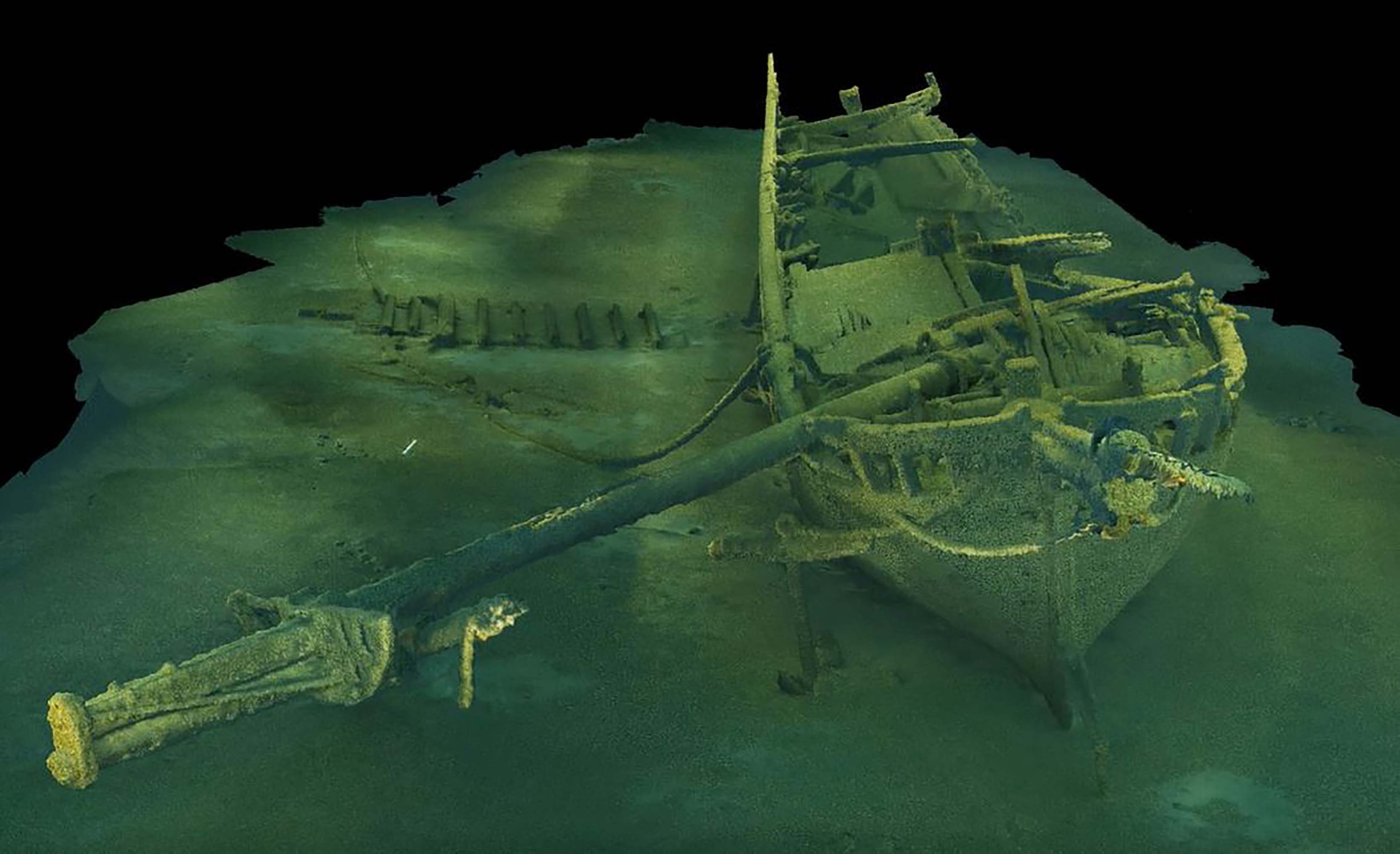
Scale 3D rendering of Abiah’s bow, looking aft
img
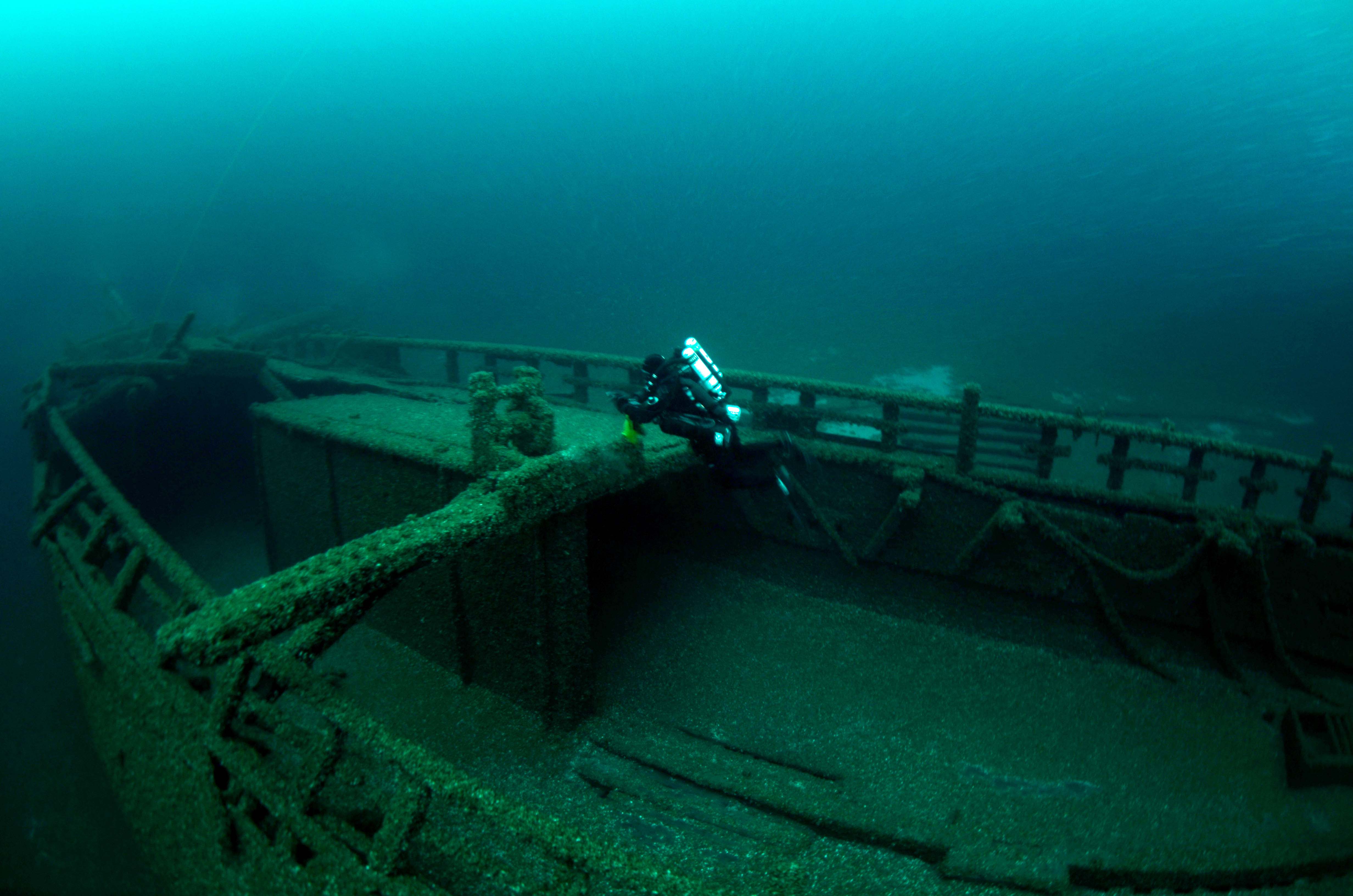
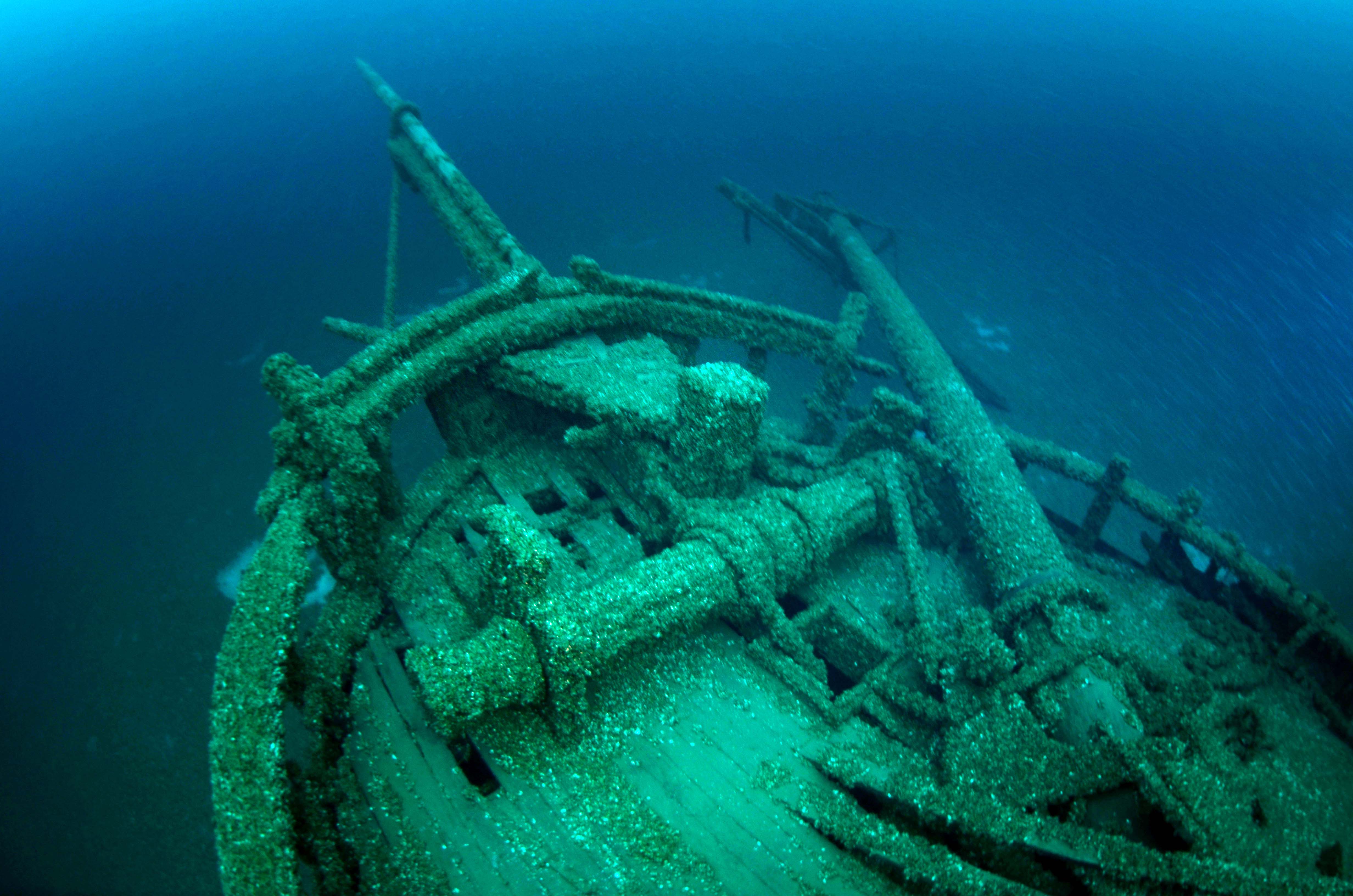
Abiah’s bow, looking forward
img
Abiah’s centerboard and hull interior, looking forward
img
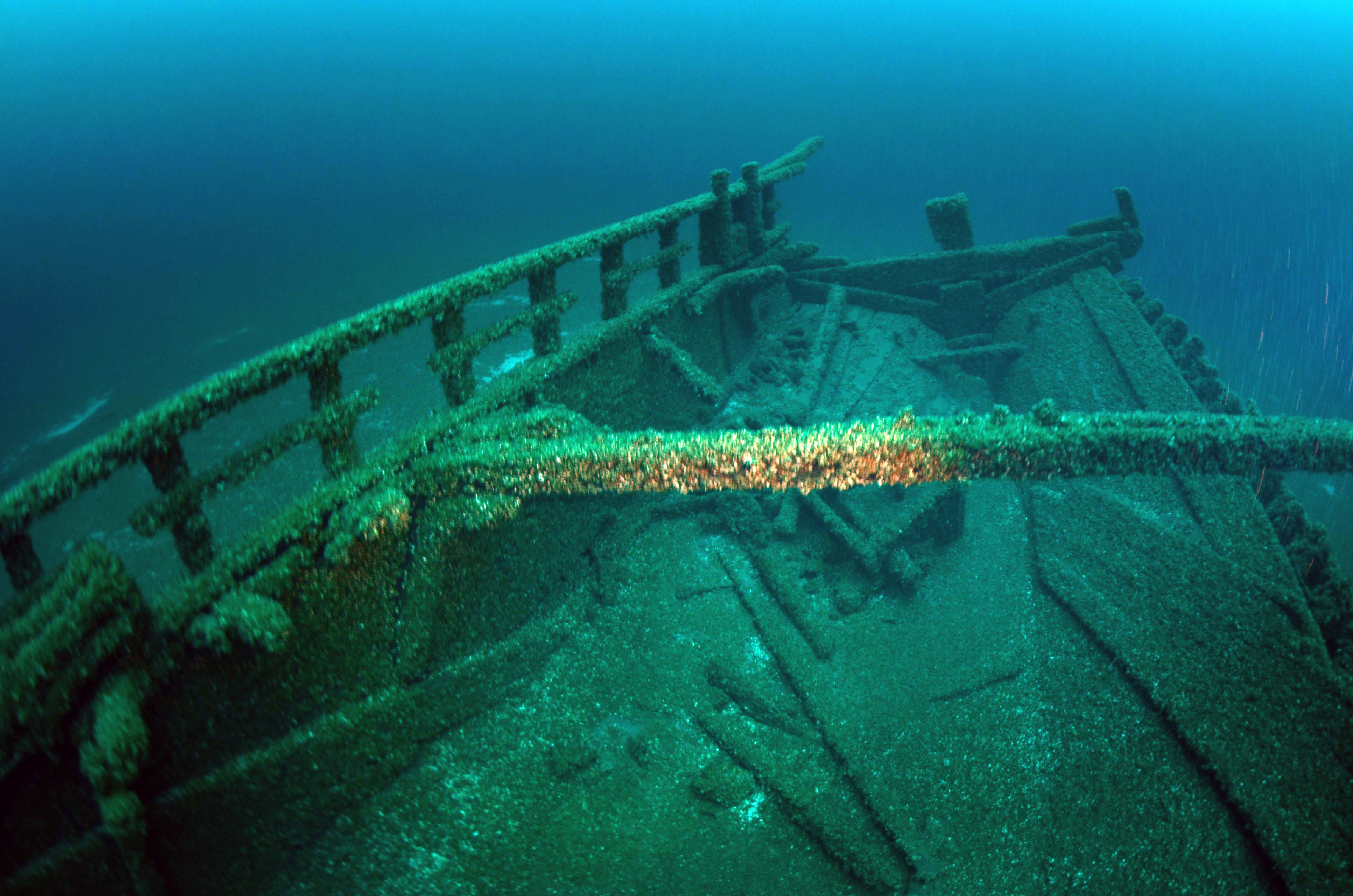
Abiah’s stern, looking aft
img
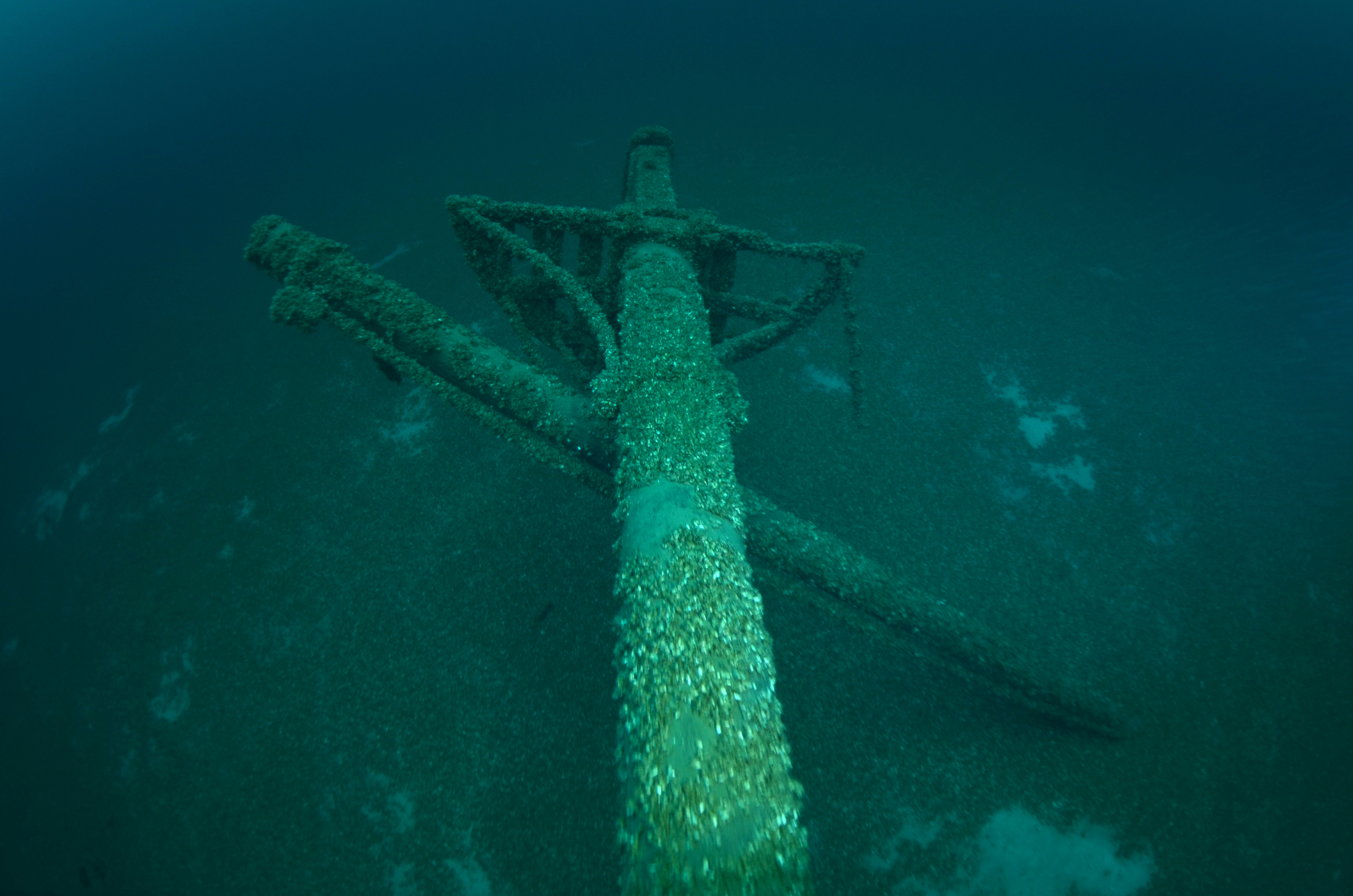
Abiah's foremast, on the starboard side of Abiah
img
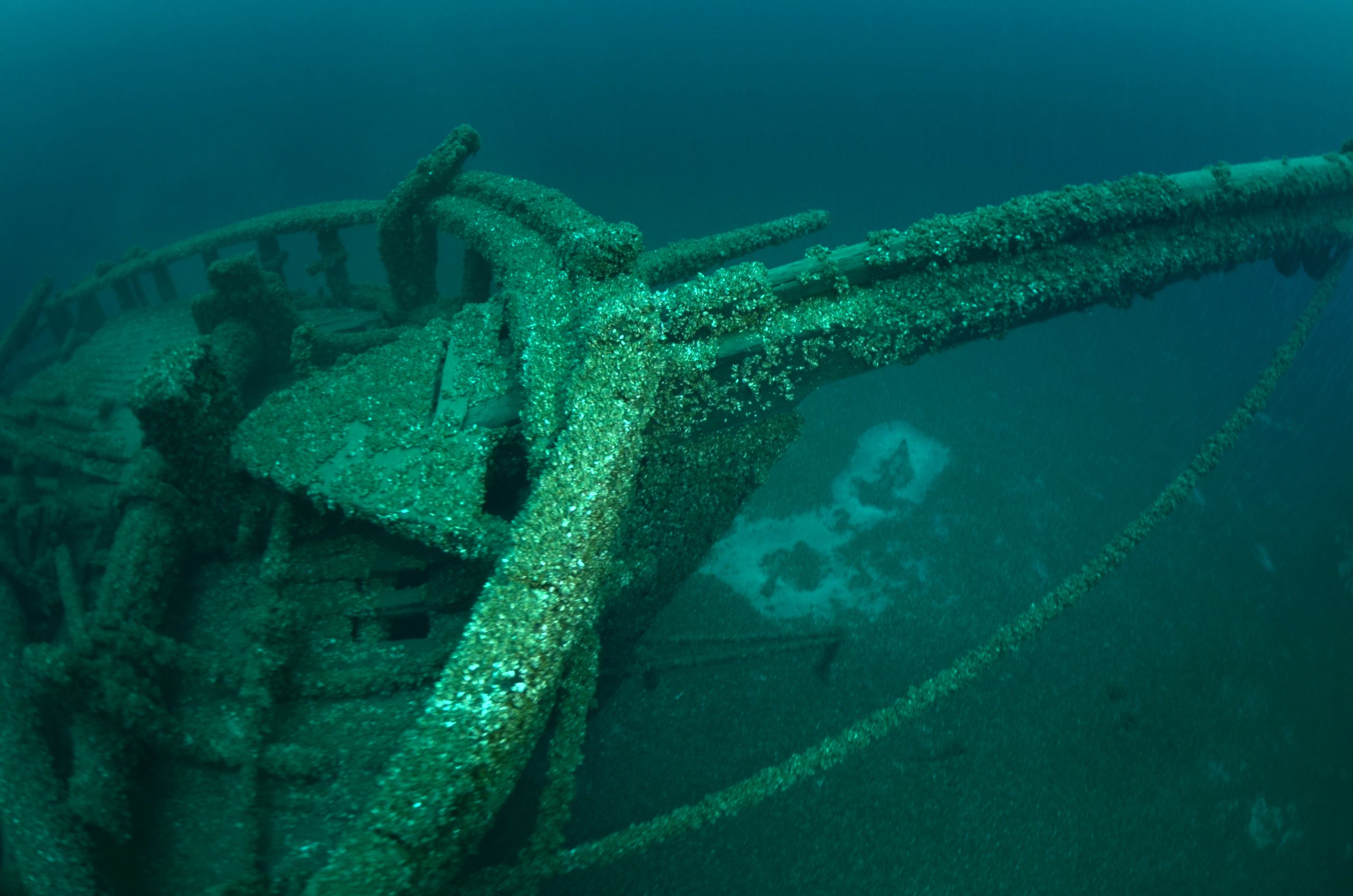
Abiah's bow and jibboom, looking portside
img
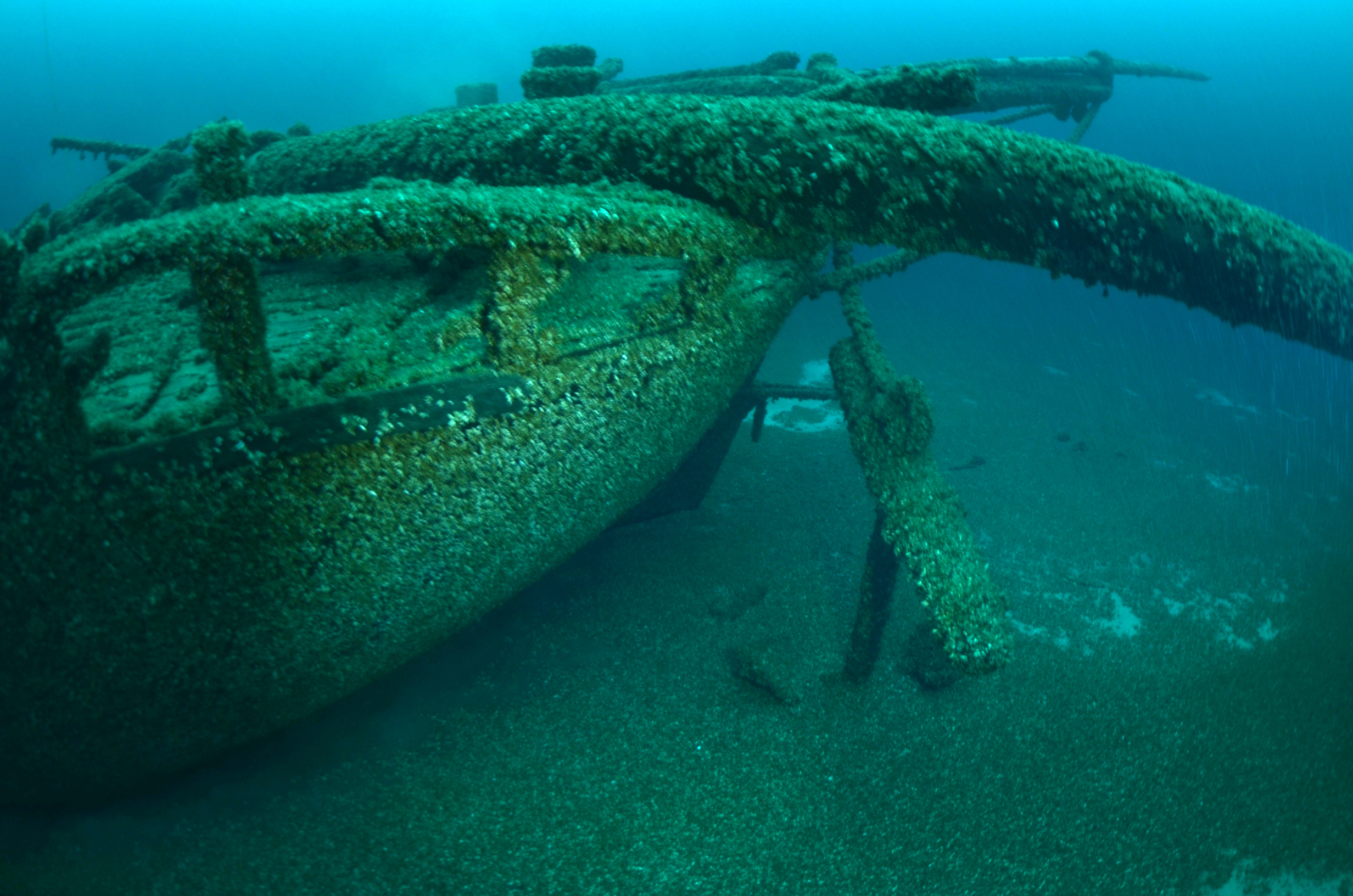
Abiah's anchor, looking portside
img
Abiah's centerboard and deck, looking forward
By The Numbers
0
Built
0
Sank
0
Lives Lost
0
Depth (ft)
 
 
Service History

The two-masted schooner Abiah was built for Israel Thompson Hatch; the ship was named for his mother, Abiah Throop Hatch, who passed away the year prior to its launch. Abiah participated in the lumber trade, but also shipped salt and crops; it primarily sailed on Lake Erie in its early career. In early September 1850, Abiah and the schooner Patrick Henry left Buffalo together with the first locomotives, rails, and hardware for the newly organized Milwaukee & Waukesha Rail Road. The pair encountered a storm enroute, and the Patrick Henry was forced to stop for repairs when it was struck by lightning; Abiah sailed on. Abiah arrived so heavily laden that the Milwaukee River required dredging to bring the ship in for unloading. Afterwards Abiah returned to its normal cargoes.
Final Voyage

On September 4, 1854, Abiah was sailing from Chicago to Oconto, when it was caught in a squall from the southeast. It capsized immediately. The ship's crew of seven and two passengers took to the small work boat and were rescued by the schooner Lewis Ludington. The turtled ship posed a navigation hazard. The upside-down Abiah was retrieved by the tug Eclipse and was towed within fifteen miles of Sheboygan before it was damaged further and allowed to sink.
Today

The wreck of Abiah lies intact in 220 feet of water. The lack of an impact crater around the ship indicates that it sunk slowly, hitting the lake bottom with little force. Steve Radovan, shipwreck hunter, discovered the site in 2019, prompting an archaeological survey in August 2019 by maritime archaeologists and volunteers from the Wisconsin Historical Society. The ship was visited in May 2020 using a VideoRay ROV with multi-beam sonar by Crossmon Consulting to collect video and sonar data. Another visit was made in September 2020 through a partnership with Marine Imaging Technologies and videographer Evan Kovacs. The ship is missing a portion of its port side hull and planking, but its bow is remarkably intact. The foremast lays across the starboard side railing. A few artifacts can be seen within the exposed interior, including a stove and kitchenware. More artifacts are likely buried in the silt.
 
Nearby
© 2026 - Wisconsin Sea Grant, Wisconsin Historical Society